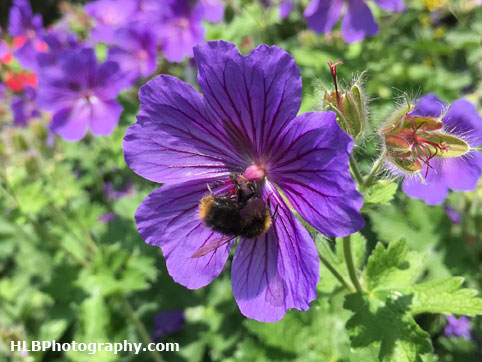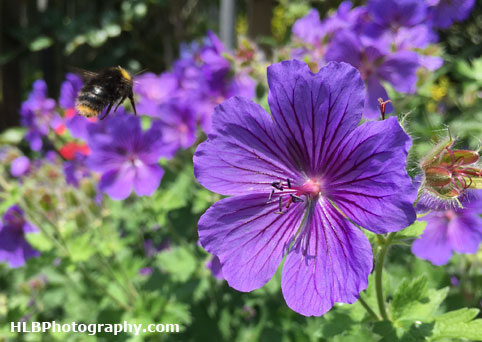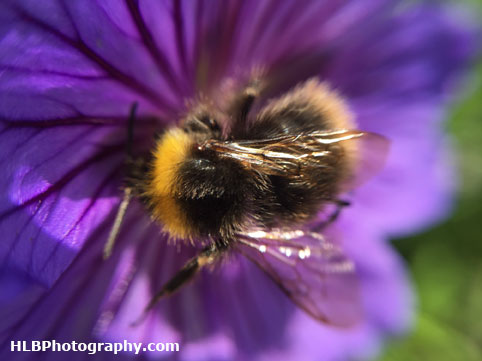
Today has been warm and sunny. I spent this afternoon in the garden looking for insects. As I was given an insect book for my birthday, I have spent this evening doing my best to identify them. Some were easier to identify than others! Its been really nice to discover what’s in the garden.
As I started to thumb through my guide to British insects I spotted one of them straight away – its one of the reasons I like a photographic guide as my brain will connect to a photograph easier than a drawing. I looked to the info page to find out what it was, much to my surprise it is a common froghopper! Now on Day 01 when I wrote about cuckoo-spit I said ‘However, we are not very likely to see an adult! They are 6mm long but disappear as soon as they are disturbed – they can jump 70cm in one bound!’ now this one didn’t seem to be bounding anywhere, I think I was extremely lucky to find it 🙂
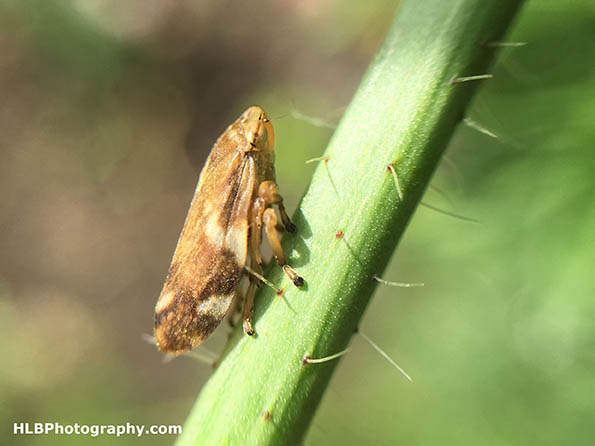
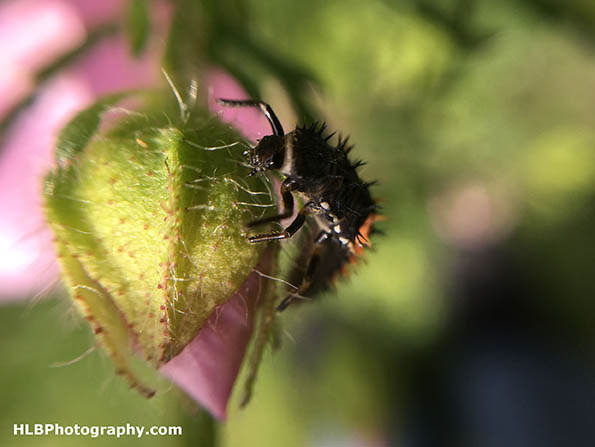
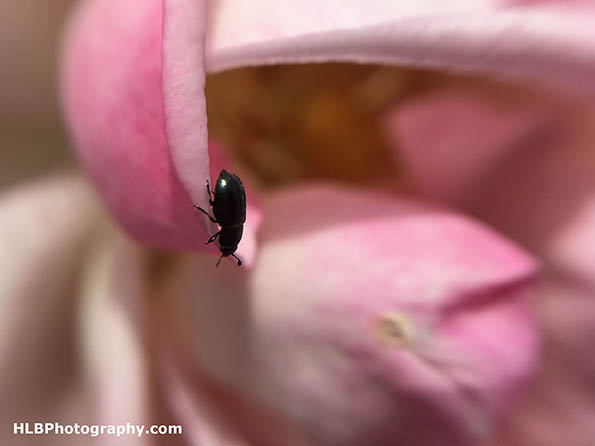
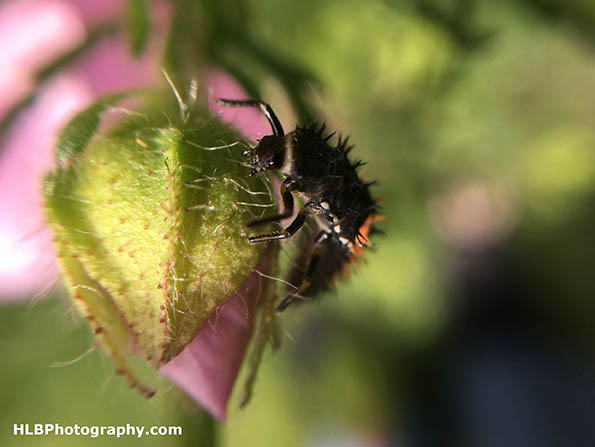
On the same plant I found harlequin ladybird larvae and on the roses next to that were pollen beetles.
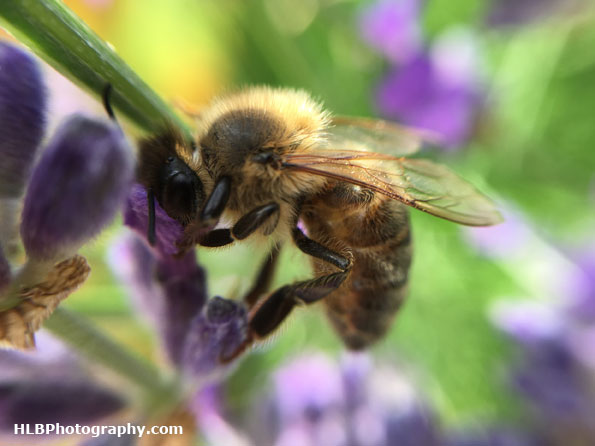
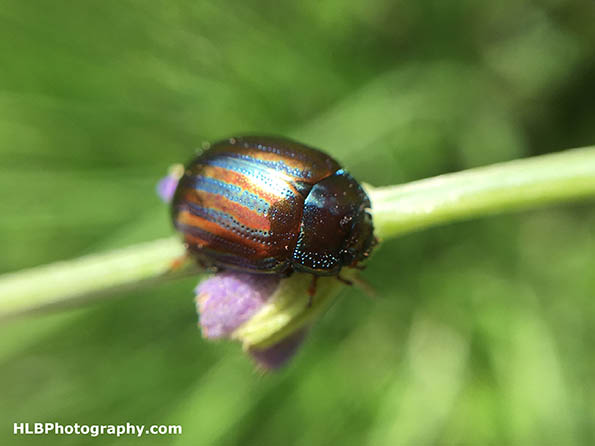
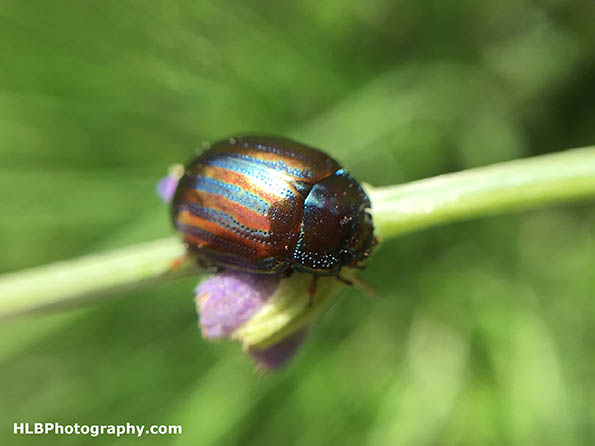
I moved over to the lavender where I knew there were lots of Honeybee’s (Apis mllifera), a Small tortoiseshell (Aglais urticae) fluttered around. Also on the lavender were a couple of Rosemary beetle’s (Chrysolina americana).
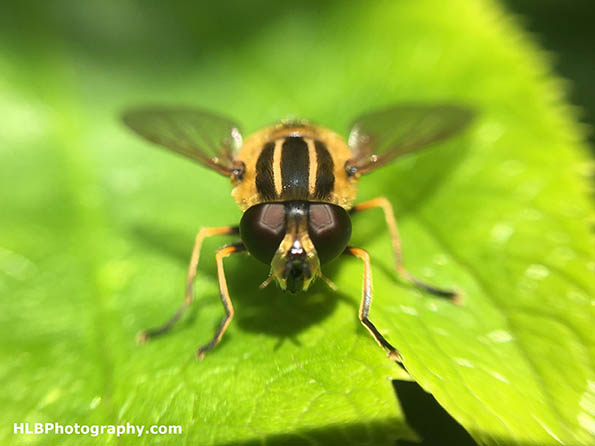
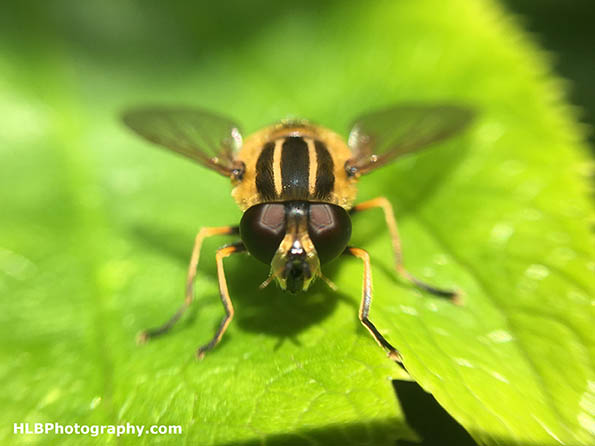
Over the other side of the path is the mini pond, I found a Helophilus Pendulus which to start with wasn’t going to sit still but it finally settled on a leaf and I managed to get a photograph.
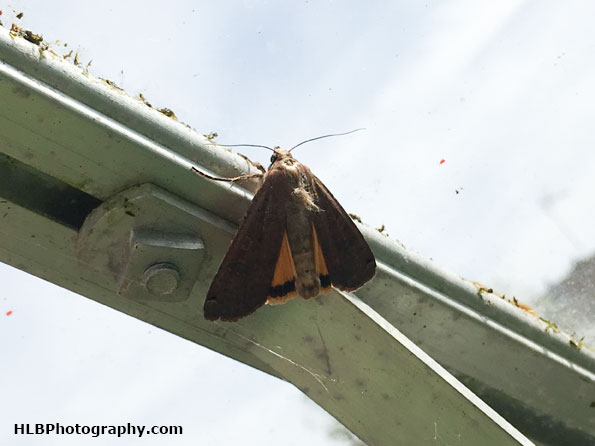
In the greenhouse I found a Large Yellow Underwing (Noctua pronuba). I didn’t get a very good photo as it was all over the place and generally hiding down the back of the plants.
So with a little time in the garden this afternoon I have seen 8 different insects, 3 of which I have never seen before 🙂