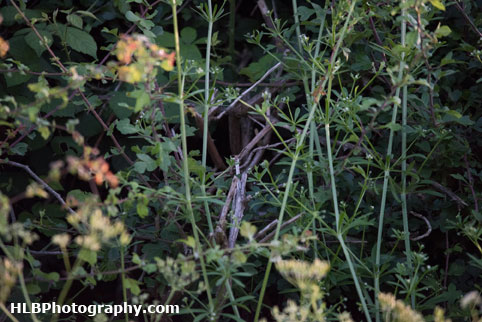
30 Days Wild 2018 – Day 23

Today has been warm and sunny.  I spent this afternoon in the garden looking for insects.  As I was given an insect book for my birthday, I have spent this evening doing my best to identify them.  Some were easier to identify than others! Its been really nice to discover what’s in the garden.  

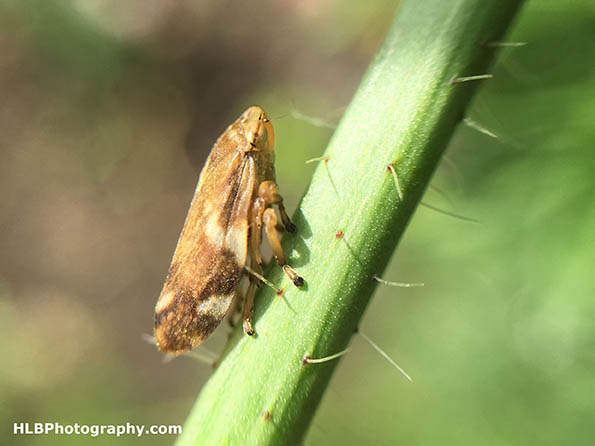
As I started to thumb through my guide to British insects I spotted one of them straight away – its one of the reasons I like a photographic guide as my brain will connect to a photograph easier than a drawing.  I looked to the info page to find out what it was, much to my surprise it is a common froghopper!  Now on Day 01 when I wrote about cuckoo-spit I said ‘However, we are not very likely to see an adult! They are 6mm long but disappear as soon as they are disturbed – they can jump 70cm in one bound!’ now this one didn’t seem to be bounding anywhere, I think I was extremely lucky to find it 🙂
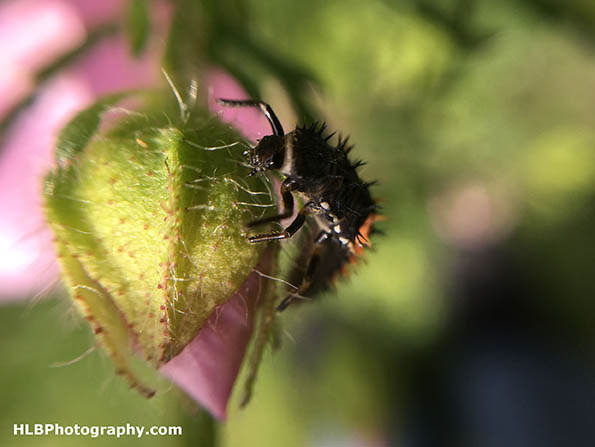
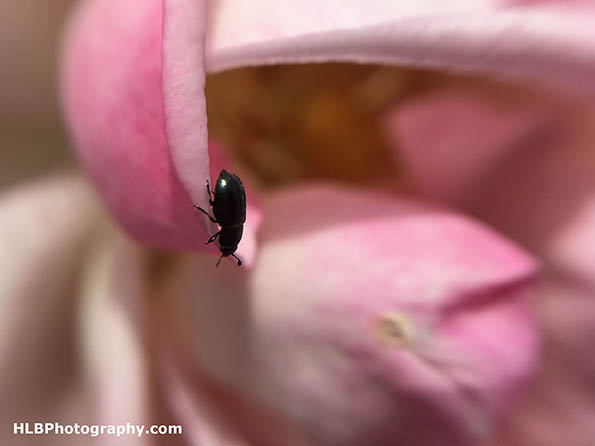
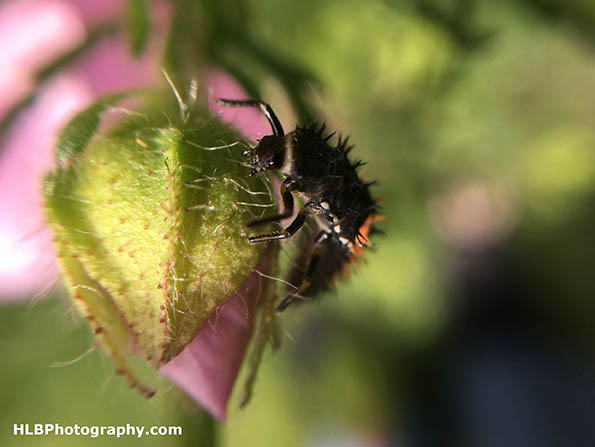
On the same plant I found harlequin ladybird larvae and on the roses next to that were pollen beetles. 
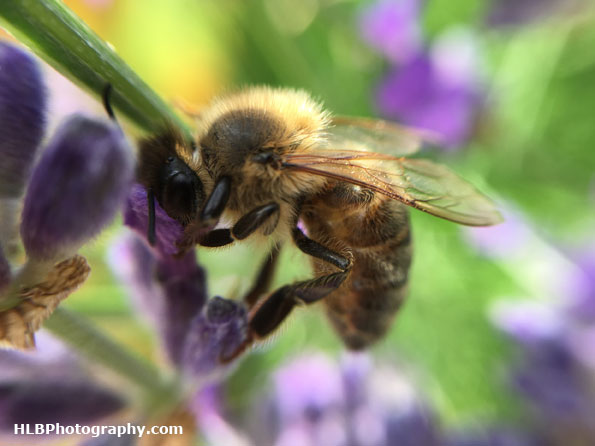
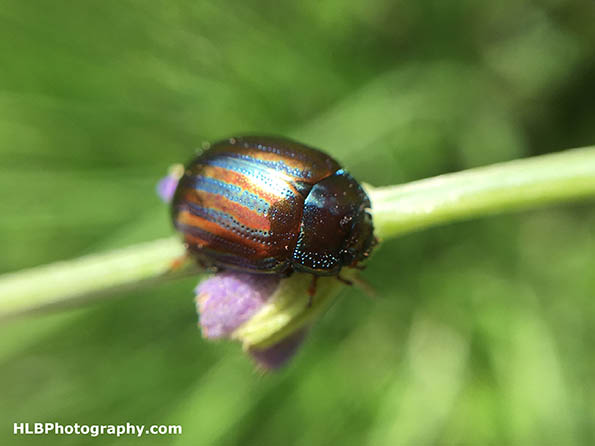
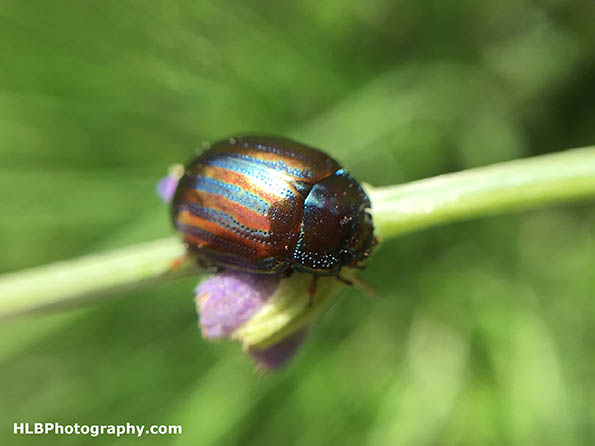
I moved over to the lavender where I knew there were lots of Honeybee’s (Apis mllifera), a Small tortoiseshell (Aglais urticae) fluttered around.  Also on the lavender were a couple of Rosemary beetle’s (Chrysolina americana).  
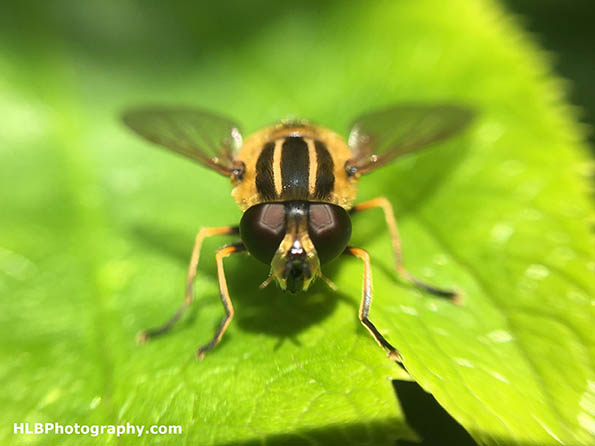
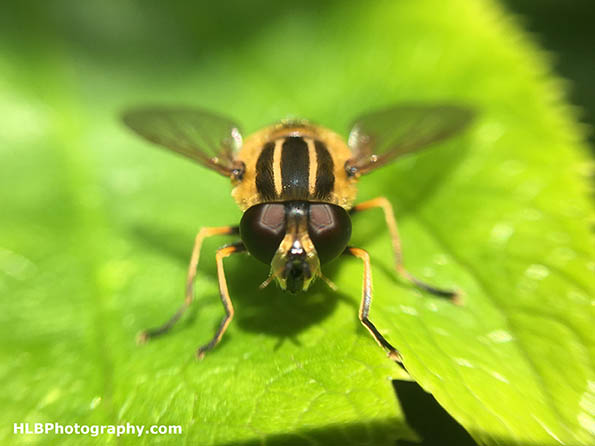
Over the other side of the path is the mini pond, I found a Helophilus Pendulus which to start with wasn’t going to sit still but it finally settled on a leaf and I managed to get a photograph.  
In the greenhouse I found a Large Yellow Underwing (Noctua pronuba).  I didn’t get a very good photo as it was all over the place and generally hiding down the back of the plants.  
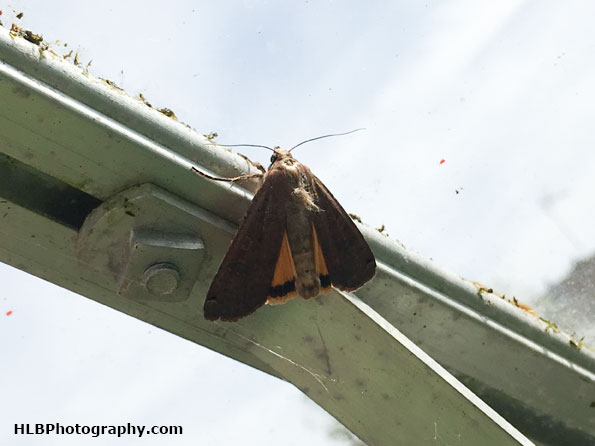
So with a little time in the garden this afternoon I have seen 8 different insects, 3 of which I have never seen before 🙂

30 Days Wild 2018 – Day 22

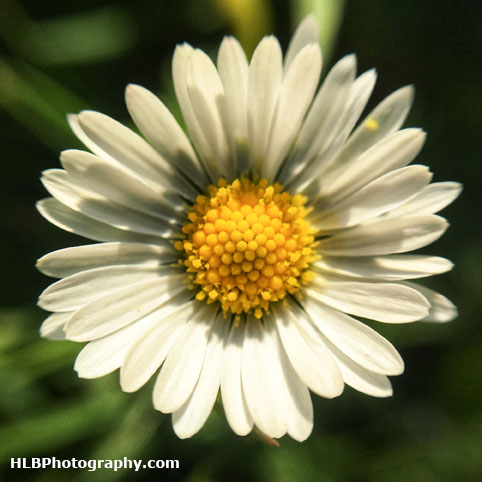
I knew I wouldn’t have a huge amount of time today so I popped out into the garden to look for textures and patterns.  I first came across a feather on the grass, soft to touch but made up of tiny ridges.  Then my attention was drawn to the plants.  Leaves have so much texture to them, the veins create dips and ridges and the lines, patterns.  The leaves of the pine were my favourite to photograph.  The head of dandelion seeds looks soft and fluffy but when you look closely it looks prickly; its way of attaching itself to passer-by for distribution.   The common daisy – full of pattern from its yellow centre to its layered petals.  


30 Days Wild 2018 – Day 18

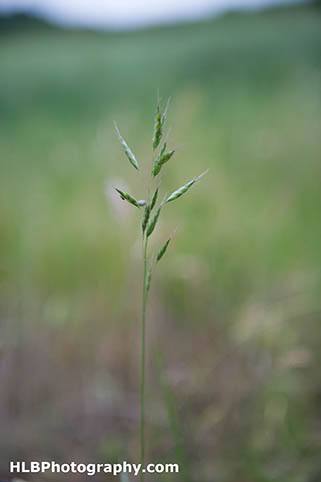
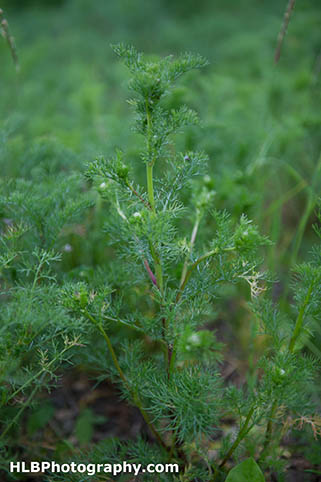
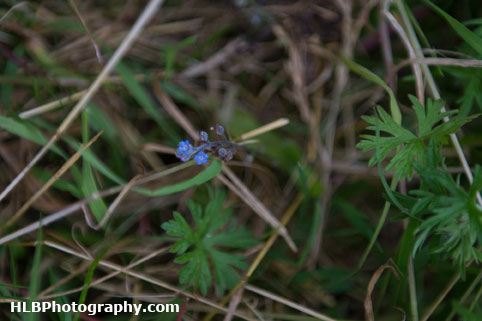
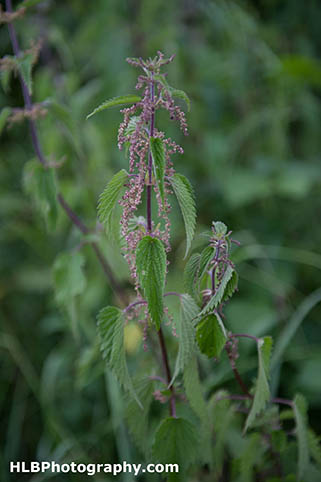
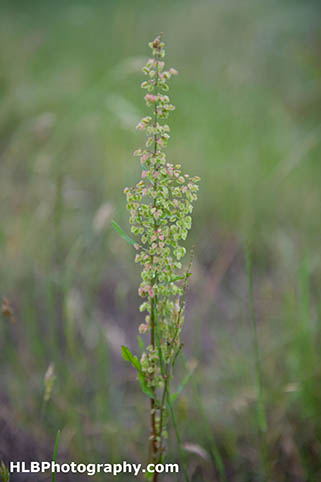
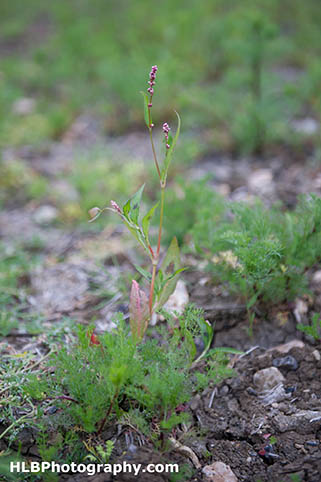
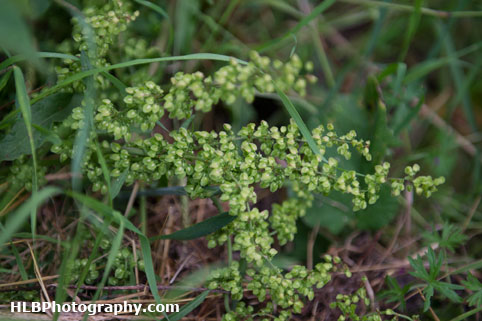
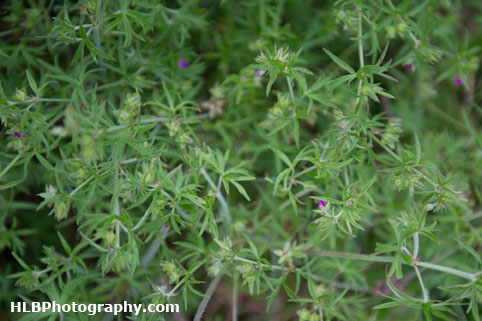
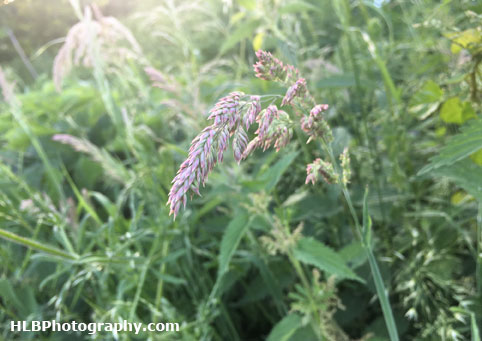
Since I received my new wild flower book I have wanted to spend a little time out in the field exploring what plants are living along the margins.  The farmer has now cut a path around the edge where the wild plants were meeting the crop so it is now more accessible to walk around.  I spent about 10 mins this evening out in the field, I had intended on spending longer but I wasn’t expecting the rain quite so early!  I have managed to identify a few of the plants I found:  Soft-brome grass, Corn Chamomile, Field Forget-me-not and of course the Stinging nettle. 


Others are still a complete mystery!…


I think I might make a winter project out of the wild flowers in the field – photograph them in the summer and then identify in the winter.  I only looked at a small corner of the field, if I’m to try and identify what the rest of the field holds (126 acres though the crop covers 98% of it!) I think its best to get out and photograph them all in the coming month or two! 

30 Days Wild 2018 – Day 17

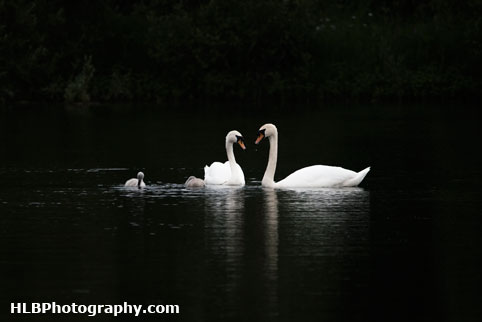
I haven’t been to Wildlife Trust’s Lower Moor Farm since January, so I thought it was about time I made another visit and went along this afternoon.  I’m not sure if it was the weather or I just picked the wrong time of day but there didn’t seem to be much bird life about!  There was a cormorant sat on a post, a few woodpigeon’s flying from tree to tree, a black headed gull, a grey heron flew over and a family of mute swans were on Cottage lake.  There were smaller birds flitting from tree to tree but everything seemed to be hiding away in all the leaf cover.  

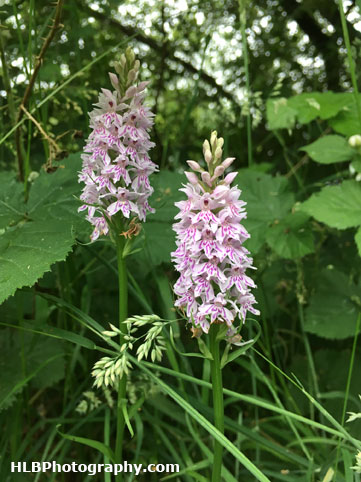
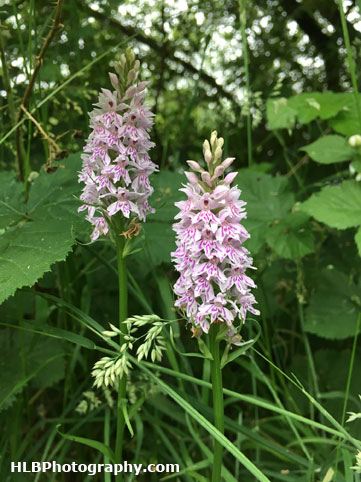
The most exciting event of the afternoon was spotting my first orchid – a common spotted-orchid.  I have probably seem them before but no knowingly so! 

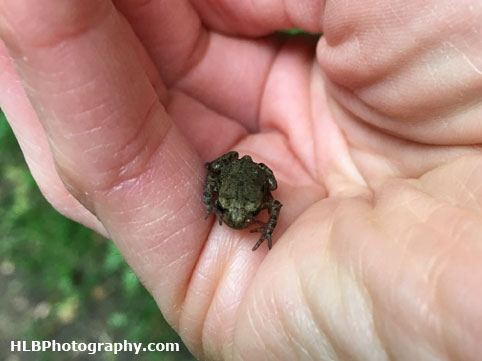
Also there are loads of froglets! One poor little chap had got himself caught in spiders webs on the floor of the hide, so after carefully removing the web from his back legs I placed him safely back outside.  The walk back to the car was slow and careful, I counted 28 froglets 🙂


30 Days Wild 2018 – Day 11

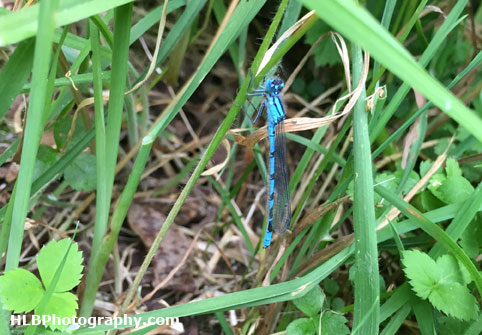
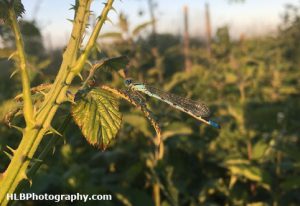
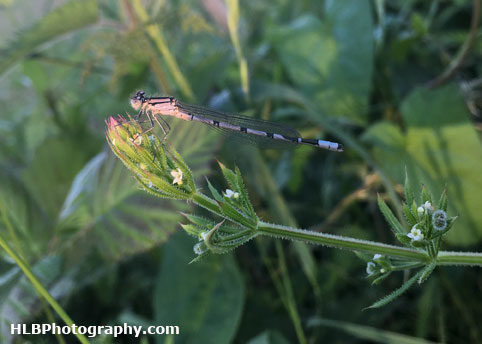
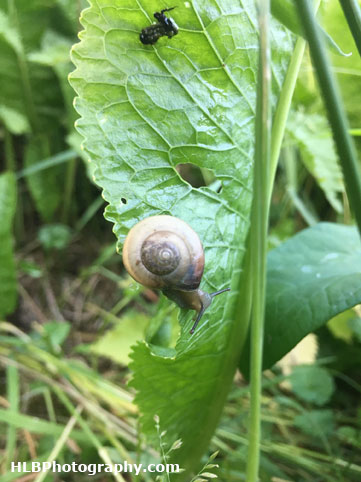
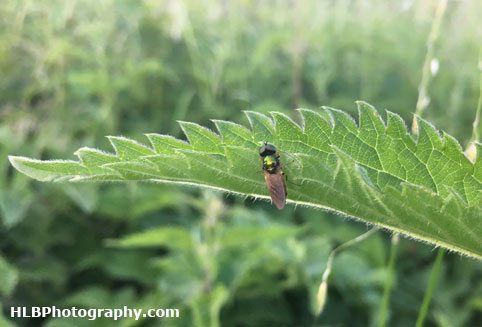
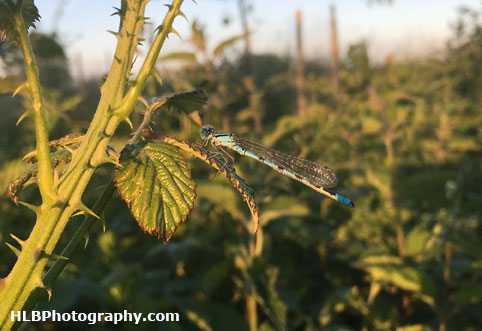
I had planned to walk around the field this evening but other events forced a change of plan.  I had to help a friend with a task which took longer than either of us expected, so today I spent 10 mins looking through the long grass and stinging nettles at the bottom of their garden.  The sun began to set, I wasn’t sure if I would find anything.  I started by looking at the plants and grasses and as I looked more closely I noticed the insects hiding within.  At first I noticed the bees flitting around the flowers and then the Common Blue Damselfly that landed nearby.  The stinging nettles had lots of Cuckoo-spit which lead me to notice the snail and fly (I have no idea what type!) on the next plant along.  It was bustling with life; I could have stayed there for ages delving deeper into the vegetation.  
 

30 Days Wild 2018 – Day 10

One of 30 Days Wild’s random act’s of wildness, suggested by their app, was to ‘race friends to find the colours of the rainbow’ I adapted this to ‘find within the garden, plants that are the colours of the rainbow’.  Its quite a nice exercise to actually take notice of the colours that are present.  I think we all wander around our gardens, thinking it looks nice but maybe not actually noticing the finer details.  

I did struggle to find anything blue! The only blue flower that I could think of in the garden was the cornflowers, they are just starting to come out of bud but they are purple!


30 Days Wild 2018 – Day 09

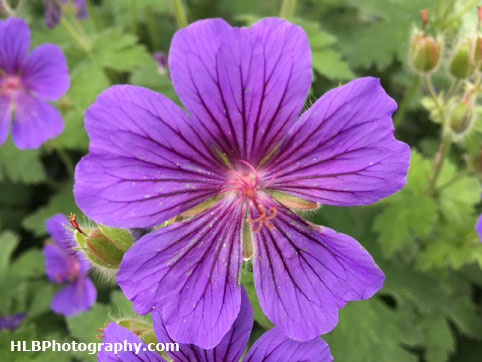
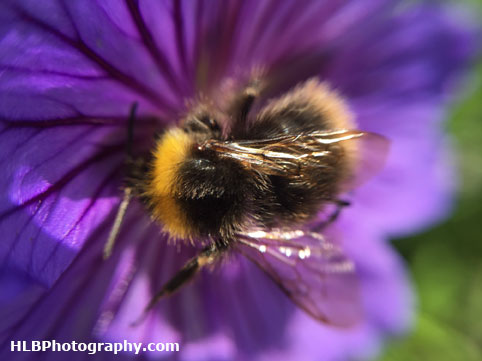
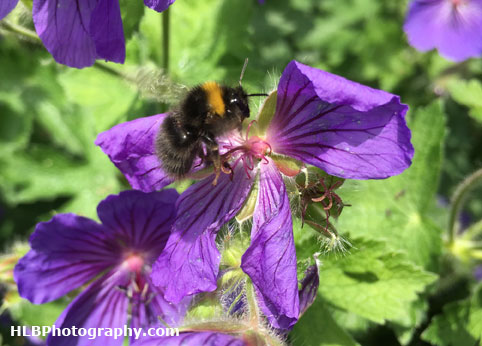
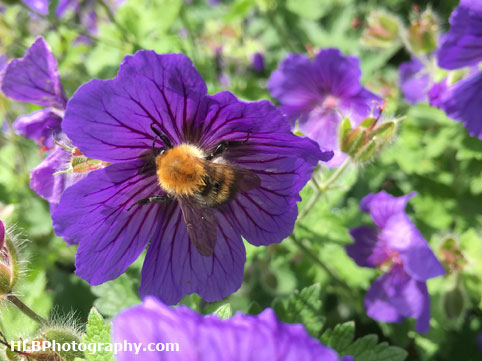
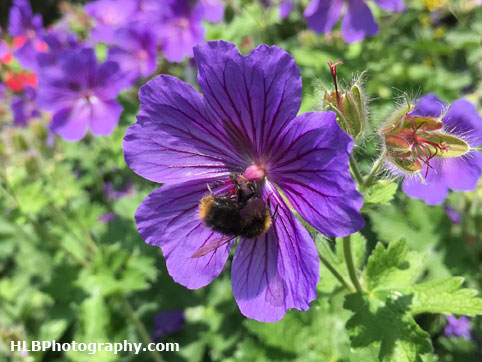
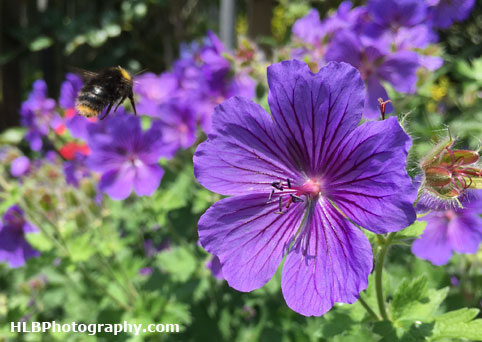
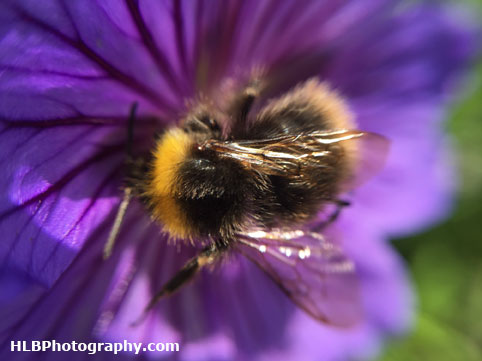
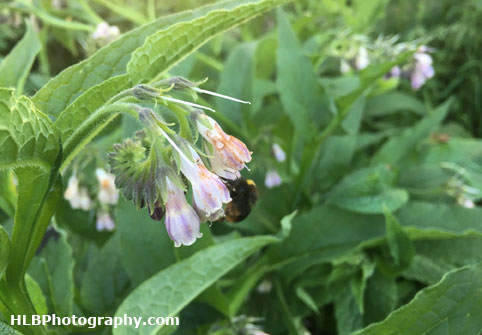
Exploring the garden today I found lots of bees on the Geranium – Early bumblebee, Honeybee and Brown carder bee (I think! I’m not brilliant at identifying bees!!).  The Geranium is always a favorite plant for them and there is always lots of activity around it. 

Each year Friends of the Earth run the Great British Bee Count (May 17th – June 30th 2018).  You can download the app for both android and apple which makes it all super quick and easy.  Its very simple; spot a bee, take a photo if possible, identify it, note the weather conditions and habitat, enter your location and send off the data 🙂 At the time of writing this 197,292 bees had been logged so far this year, with 21 days to go. 

As we all know our pollinators are having a very tough time with loss of habitat, intensive farming and changes in our climate.  The more we know about all of our pollinators, the more we can help them.  By adding sightings to the bee count more data is added to the Pollinator Monitoring Scheme, which is basically a health check of our bees and other pollinators.  35 of the UK bees species is under threat of extinction so knowing the abundance of them and their location, is all valuable information. 
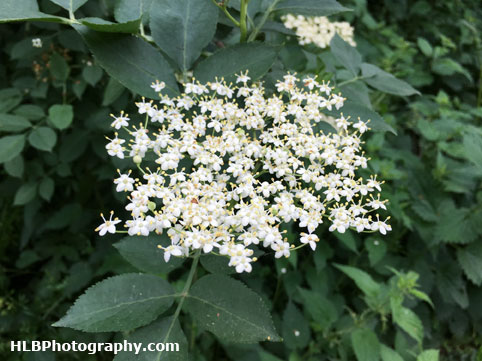
We can all do a little to help all of our insects whether it is taking in part in the Bee Count or other record schemes, converting part of the garden to a mini wildflower meadow or just leaving the dandelions to grow in the lawn, every little thing helps.  Have you seen any bees today? 

30 Days Wild 2018 – Day 08

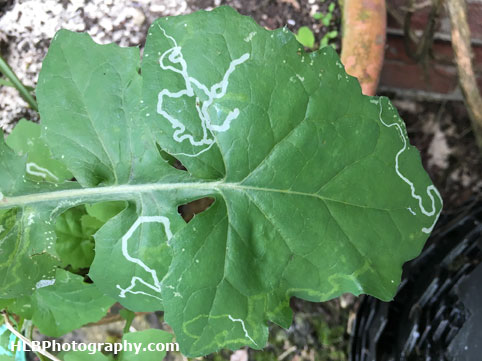
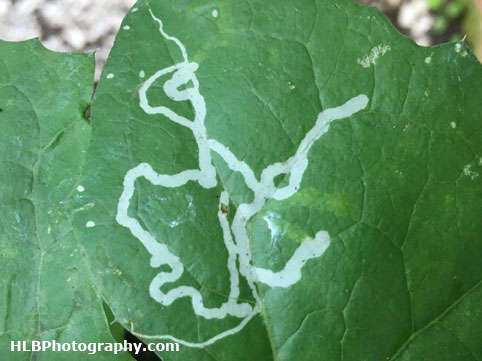
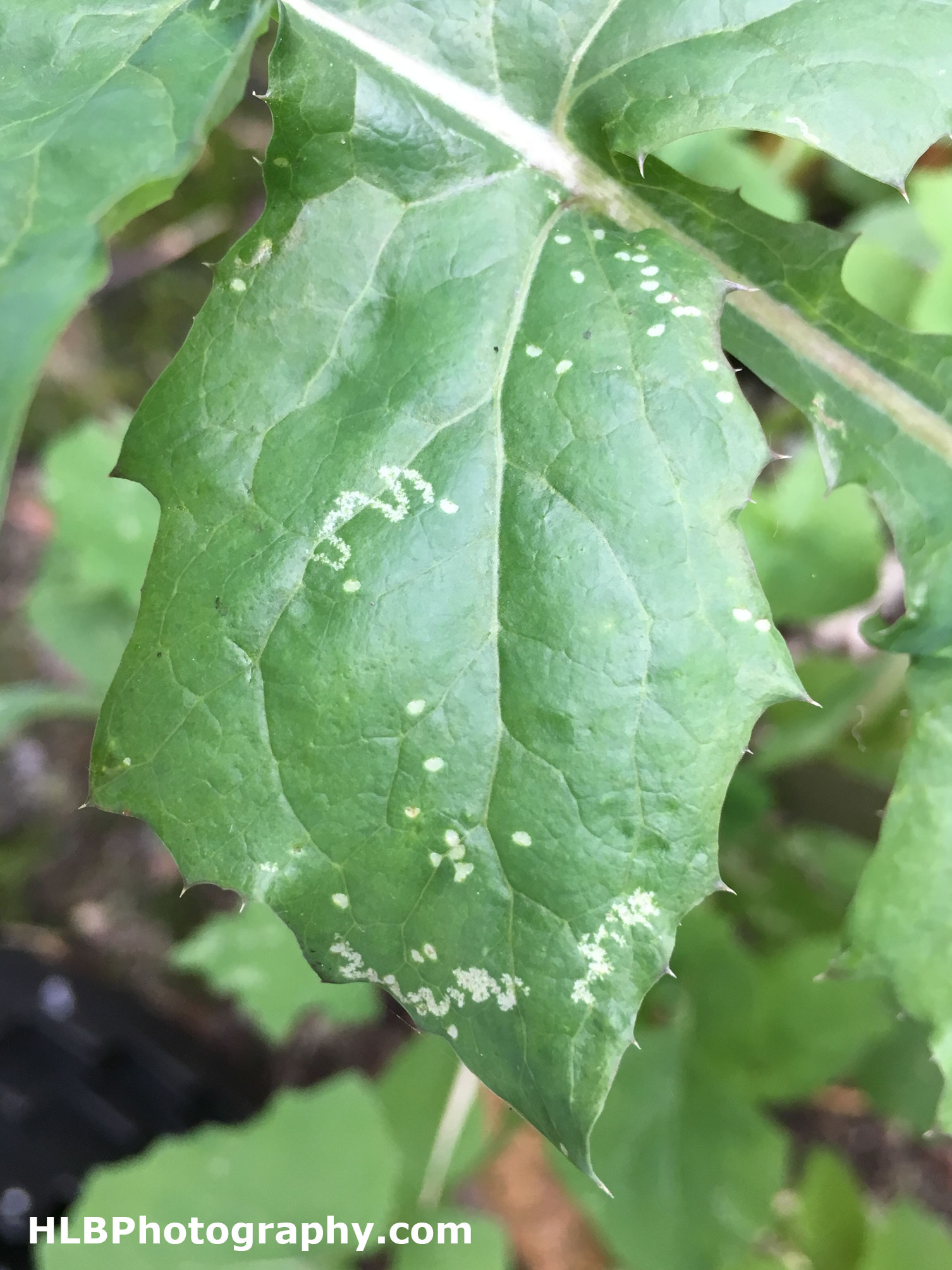
I saw these marks on the leaves of a common sow-thistle that’s growing out of a broken pot in the garden.  I felt that I should have known what they were from but I just couldn’t remember.  A little bit of research and the answer popped up – a leaf-miner. It is a generic term for the larvae of insects that live on the cells of a leaf, these can be beetle, flies, sawflies or moths.  There are many different insects that it could be but it seems that many leaf-miners are very specific to the plants on which they feed.  I would like to say I know what this one is, I think its Chromatomyia horticola, a fly, but I’m not 100% sure! If anyone can confirm that would be great 🙂

30 Days Wild 2018 – Day 07

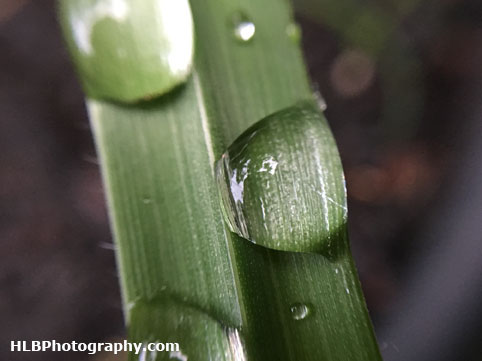
I was sat at work wondering what ‘wild’ thing I should do this evening, half an hour later it started to rain and that familiar smell drifted through the window, rain on a warm spring day! Until recently I didn’t know this smell had a name, everyone always says it smells of rain but really we should be calling it ‘petrichor’.  Reading the Met Office website it says the term comes from the Greek words ‘petra’ – stone & ‘ichor’ –  golden fluid that was said to flow through the gods and the immortals veins in Greek mythology.

The actual origin of the smell is from the oils flushed from the pores of stones, rock, soil etc as moisture fills them. This starts before the rain falls when the humidity increases and then further increases when it rains, with the droplets hitting the ground spreading the scent in to the breeze.  The scent is carried in tiny air bubbles created by the raindrop when it contacts the ground, the bubbles then burst from the raindrop in a fizz of aerosols.  You will notice petrichor more during light rain, as in heavy rain the speed of the drops falling stops the creation of bubbles and thus the release of the aerosol and the scent we all love.  

30 Days Wild 2018 – Day 05

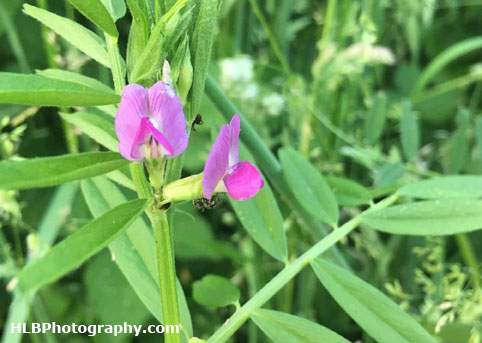
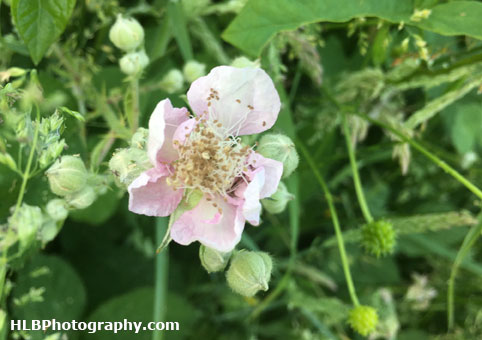
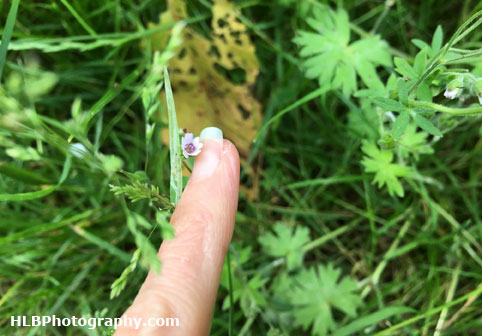
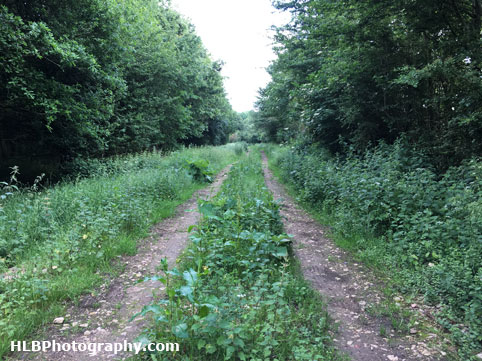
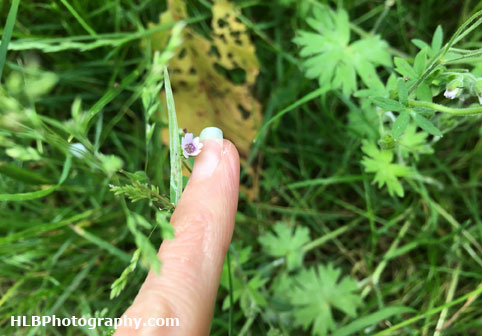
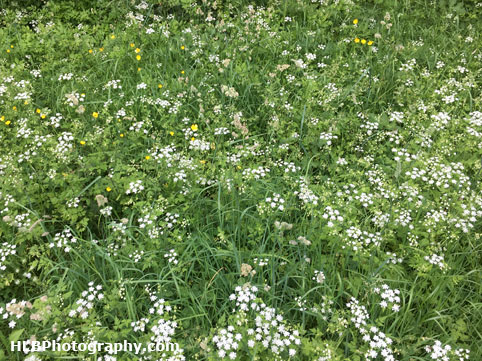
This evening I went for a short walk down the track used by the local farmer.  Its very wild and is just left to do what ever it wants! I haven’t been there for a while so thought I’d have a quick look around.  It had been my intention to look for young rabbits but I didn’t see any tonight; I only saw the tail of an adult and the side of a male pheasant before it headed off into the corn field.  There is a treasure trove of flowers and grasses to explore along the length of the track – some I could recognise and others I have no idea about like this tiny pink flower.

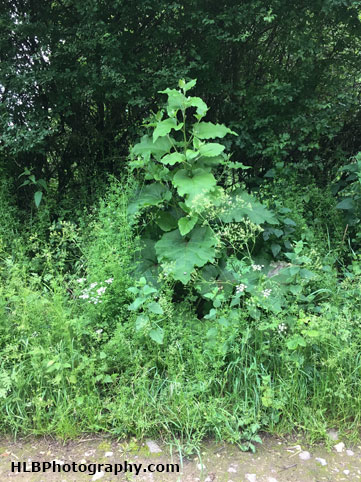
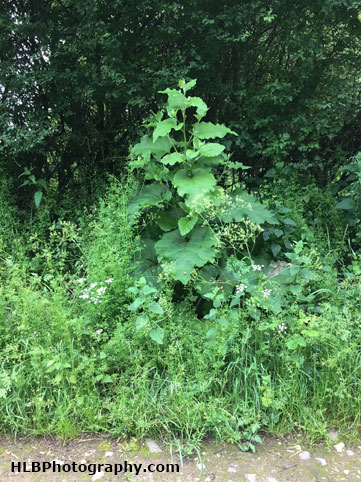
I also came across a plant taller than me – though that’s not that difficult! I believe it to be greater burdock though I’m not 100% sure.

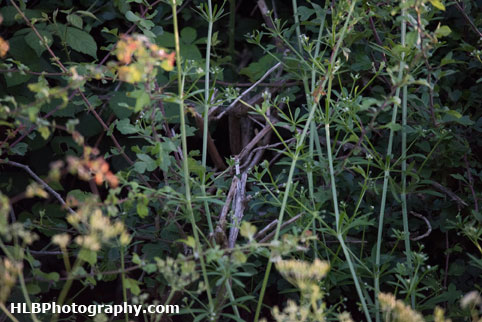
At the end of the track I could hear the cuckoo, he was obviously much further away and probably down by the river.  I’m sure he was getting closer as I walked back up the track.  This is the third year I have heard him in this location but I have never seen him! I am 90% sure that I located a sparrow nest on my way back.  One flew out of the hedgerow near the field entrance and I could hear the chicks still chirping away.  The hedge is very thick and I didn’t want to disturb it by trying to actually locate them.