30 Days Wild 2018 – Day 16

Each year when late spring arrives I start to look out for the swifts.  The house that backs onto my back garden have nesting swifts  They don’t have a nest box but there is a natural cavity underneath some of their roof tiles. I’m not sure if they know they are there nor not but I get the impression they are not very nature friendly so I don’t like to draw attention to their arrival just in case they decide to block up the hole!  This year they arrived on May 7th. They are generally joined by another 4 swifts screeching around the house and its so lovely to hear.    
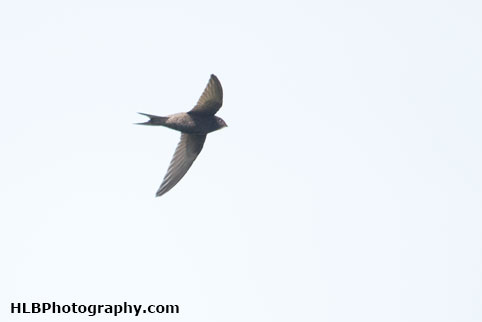
Swifts are an amber-listed bird, this means we need to be worried about them.  There breeding numbers have been decreasing; 51% between 1995 and 2015.  One of the reasons for their reducing numbers is partly down to the loss of their nesting locations.  They nest in the same place every year. When they get back in the spring their home can sometimes be gone.  This can be down to people fixing their roofs or buildings being demolished completely.  One of the best things we can do for them is to increase the locations that they have available to nest in.  I would love to have a swift nest box on the house but they have some requirements.  There needs to be a clear 5 meter drop from the nest as this is what they need when the swoop up to the nest and also for leaving it.  This I have on one side of the house, however its west facing and doesn’t have shade from the sun, so unfortunately its unsuitable 🙁 If you have a suitable location for a swift box, please if you can, help out these wonders of summer.  You can find out more at swift-conservation.org and also submit your sightings to the RSPB.
30 Days Wild 2018 – Day 15

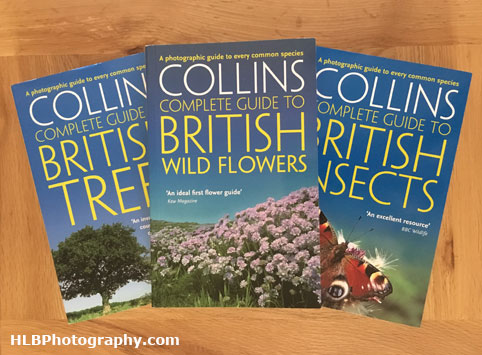
Today is my Birthday! I received lots of nature related books – I think friends and family conspired together on buying these!  I also think they are fed up with me continually saying ‘I wonder what (insert plant / bug / tree) this is?’ now they can just point me towards a book! I look forward to investigating more of the nature in the field as I will now be able to identify them properly 🙂

30 Days Wild 2018 – Day 14

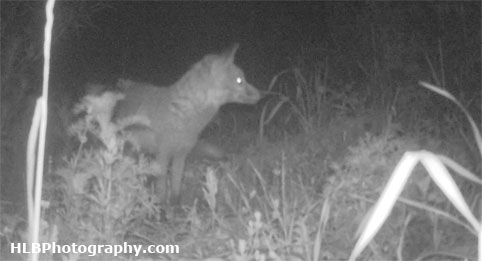
I knew today was going to be a day where I wouldn’t have much time to get out in the wild, so last night I put the trailcam out in the field with some left over cake! Yes I know not the best thing for the fox but they don’t get given it very often, its normally chicken carcass or eggs.  She has however, been helping herself to next doors new guinea fowl!!  They saw her watching them the other week but I’m assuming didn’t put them behind the electric fence with the other chickens so they went ‘missing’.

I think we can safely say she also likes cake!!  Over a period of 3 hours she squirreled it away to various locations nearby.  I’d cut it up a bit so it didn’t fall apart as she carried it off.  I don’t know if that was just to hide it from anyone else that might want the steal it or because she seemed a little weary of the camera, though she hasn’t worried about it before.  I wondered if she had cubs nearby… I hope she has cubs 🙂 

30 Days Wild 2018 – Day 13

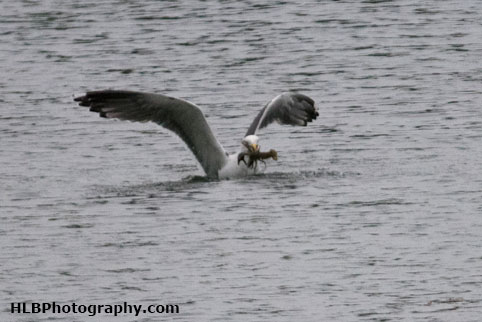
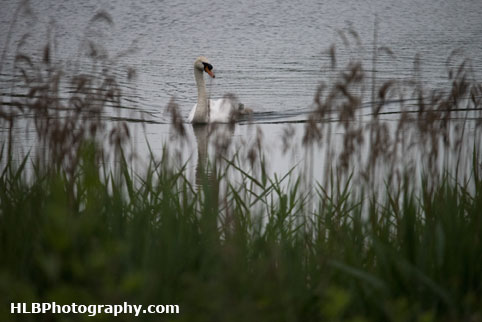
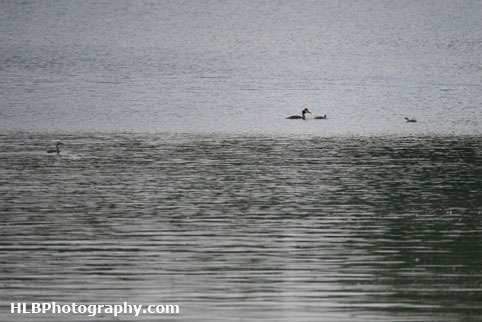
This evening on the way home from work I spent about an hour at Wildlife Trusts Whelford Pools.  This is the first time I have visited this year.  I only went to the first hide but it was nice to see the regular birds there: 2 swans and a cygnet, 4 black headed gulls, common tern, 4 great crested grebe & 3 young, 3 tufted ducks, a woodpigeon, a herring gull, 24 cormorants, a coot, a lesser black backed gull and a magpie.  There were also a few smaller birds that flitted in front of the hide although I didn’t get a good enough look at them to enable identification.

The most interesting event of the evening was watching a lesser black backed gull (I think, I’m not great at gull identification!) catching what I think was a crayfish!  It will be nice to visit again soon and go on to the second hide; I’m yet to see a kingfisher this year and I was lucky enough to see one there last year 🙂


30 Days Wild 2018 – Day 12

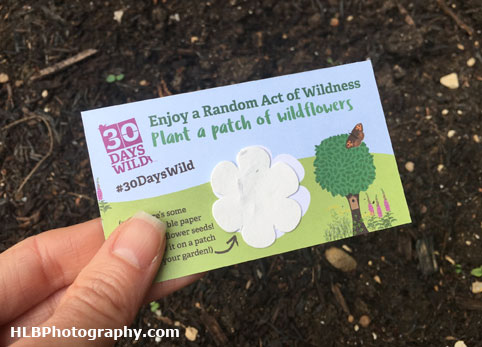
In the 30 Days Wild pack this year Wildlife Trusts kindly provided a bio-degradable paper full of wildflower seeds.  If you have been reading my ‘Patch – Garden’ posts this year you will know that I have been granted permission to add a little bit of ‘wild’ back to it.  I sowed seeds back in May and they have now started to grow.  I do have a few patches where the seeds didn’t germinate so today I have sowed the seeds provided.  I’m hoping by the end of August all the flowers will have matured and there is a border of wildflowers.  Unfortunately I wasn’t able to sow them all at once back in May, so I think there will be a gradual flowering along the border as they mature.  Of course I could say I did this intentionally so that the pollinators have more flowers in bloom for a longer period over the summer 🙂

30 Days Wild 2018 – Day 11

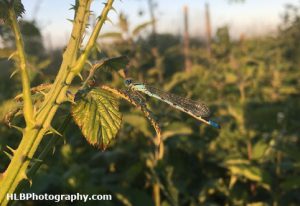
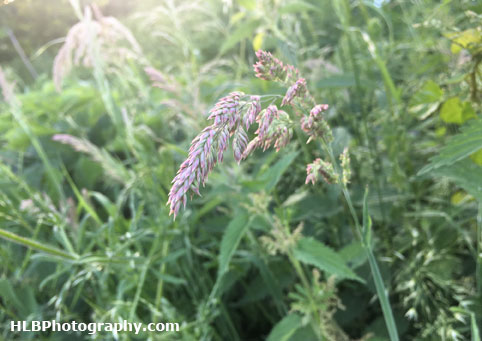
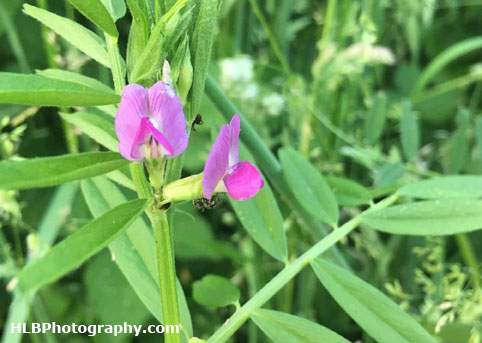
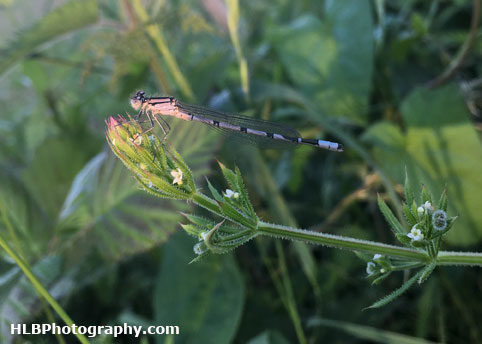
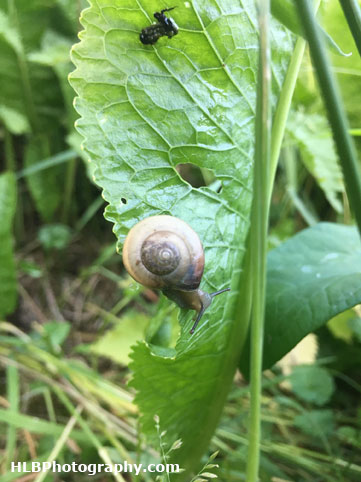
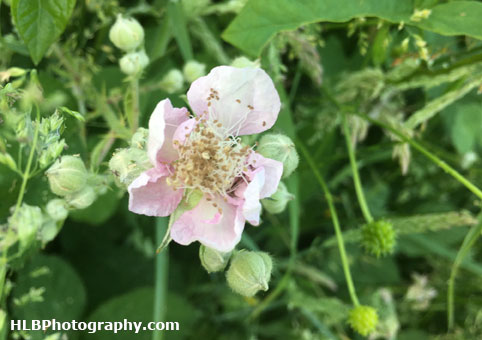
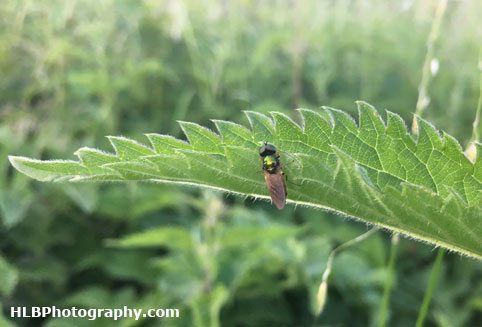
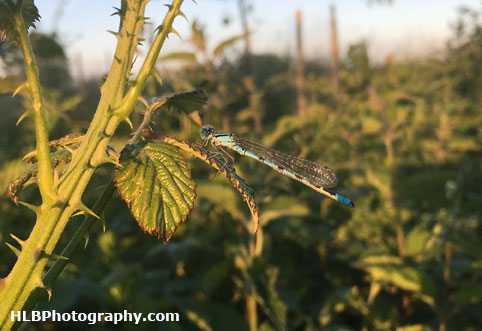
I had planned to walk around the field this evening but other events forced a change of plan.  I had to help a friend with a task which took longer than either of us expected, so today I spent 10 mins looking through the long grass and stinging nettles at the bottom of their garden.  The sun began to set, I wasn’t sure if I would find anything.  I started by looking at the plants and grasses and as I looked more closely I noticed the insects hiding within.  At first I noticed the bees flitting around the flowers and then the Common Blue Damselfly that landed nearby.  The stinging nettles had lots of Cuckoo-spit which lead me to notice the snail and fly (I have no idea what type!) on the next plant along.  It was bustling with life; I could have stayed there for ages delving deeper into the vegetation.  
 

30 Days Wild 2018 – Day 10

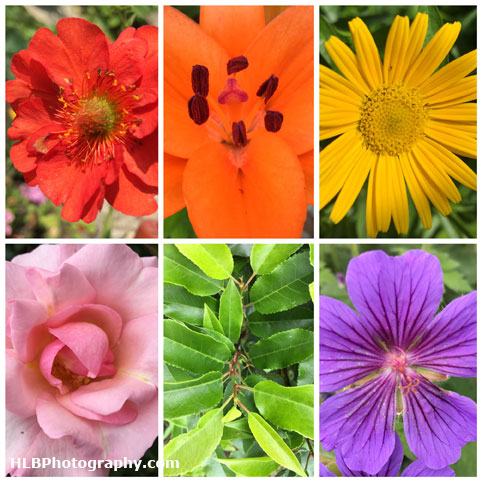
One of 30 Days Wild’s random act’s of wildness, suggested by their app, was to ‘race friends to find the colours of the rainbow’ I adapted this to ‘find within the garden, plants that are the colours of the rainbow’.  Its quite a nice exercise to actually take notice of the colours that are present.  I think we all wander around our gardens, thinking it looks nice but maybe not actually noticing the finer details.  

I did struggle to find anything blue! The only blue flower that I could think of in the garden was the cornflowers, they are just starting to come out of bud but they are purple!


30 Days Wild 2018 – Day 09

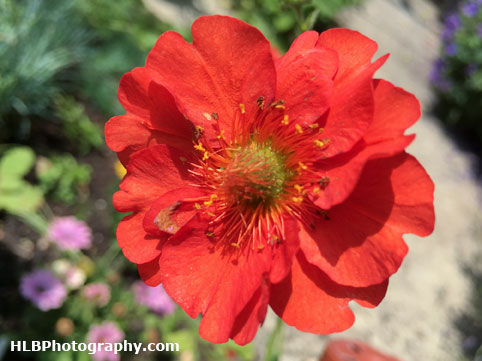
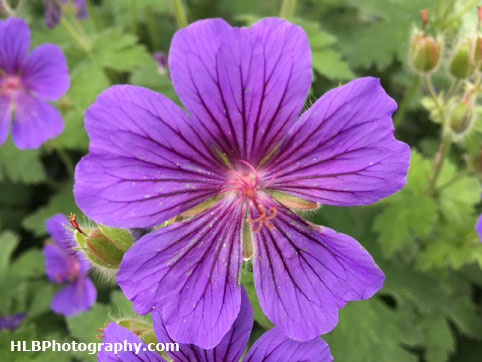
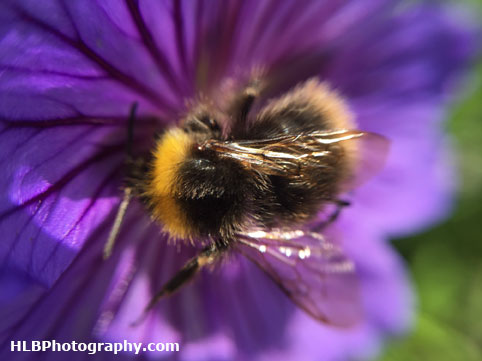
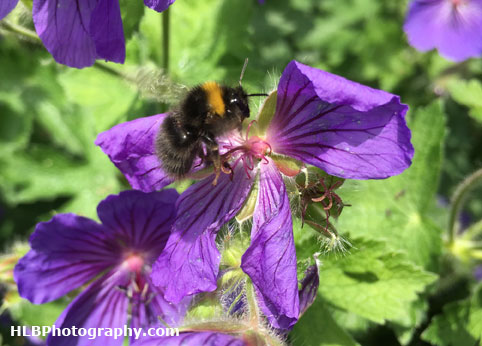
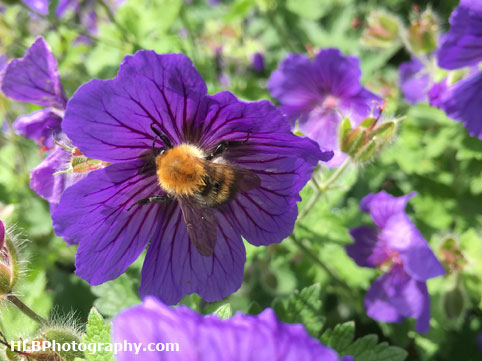
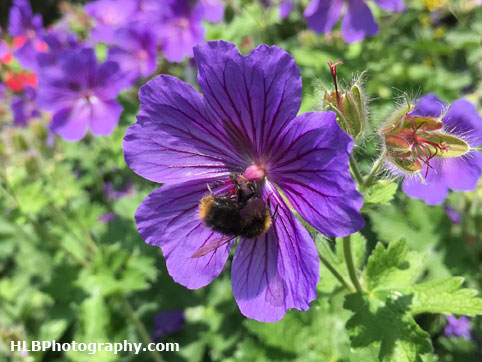
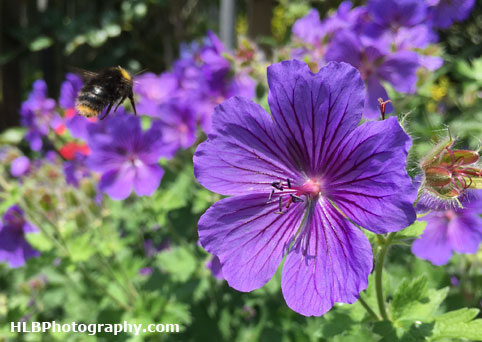
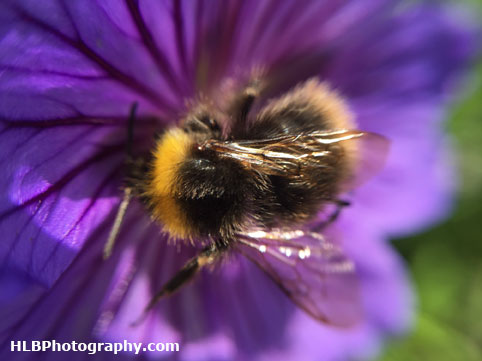
Exploring the garden today I found lots of bees on the Geranium – Early bumblebee, Honeybee and Brown carder bee (I think! I’m not brilliant at identifying bees!!).  The Geranium is always a favorite plant for them and there is always lots of activity around it. 

Each year Friends of the Earth run the Great British Bee Count (May 17th – June 30th 2018).  You can download the app for both android and apple which makes it all super quick and easy.  Its very simple; spot a bee, take a photo if possible, identify it, note the weather conditions and habitat, enter your location and send off the data 🙂 At the time of writing this 197,292 bees had been logged so far this year, with 21 days to go. 

As we all know our pollinators are having a very tough time with loss of habitat, intensive farming and changes in our climate.  The more we know about all of our pollinators, the more we can help them.  By adding sightings to the bee count more data is added to the Pollinator Monitoring Scheme, which is basically a health check of our bees and other pollinators.  35 of the UK bees species is under threat of extinction so knowing the abundance of them and their location, is all valuable information. 

We can all do a little to help all of our insects whether it is taking in part in the Bee Count or other record schemes, converting part of the garden to a mini wildflower meadow or just leaving the dandelions to grow in the lawn, every little thing helps.  Have you seen any bees today? 

30 Days Wild 2018 – Day 08

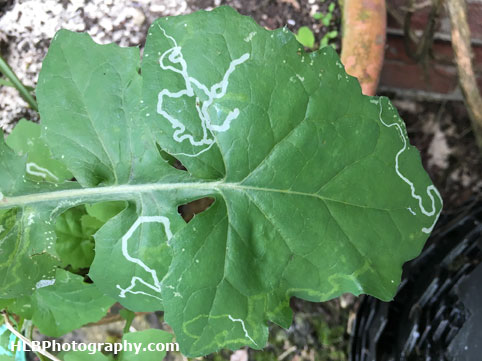
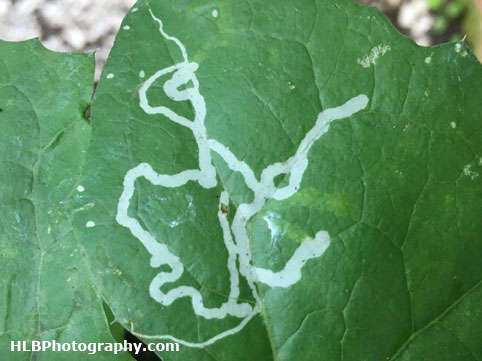
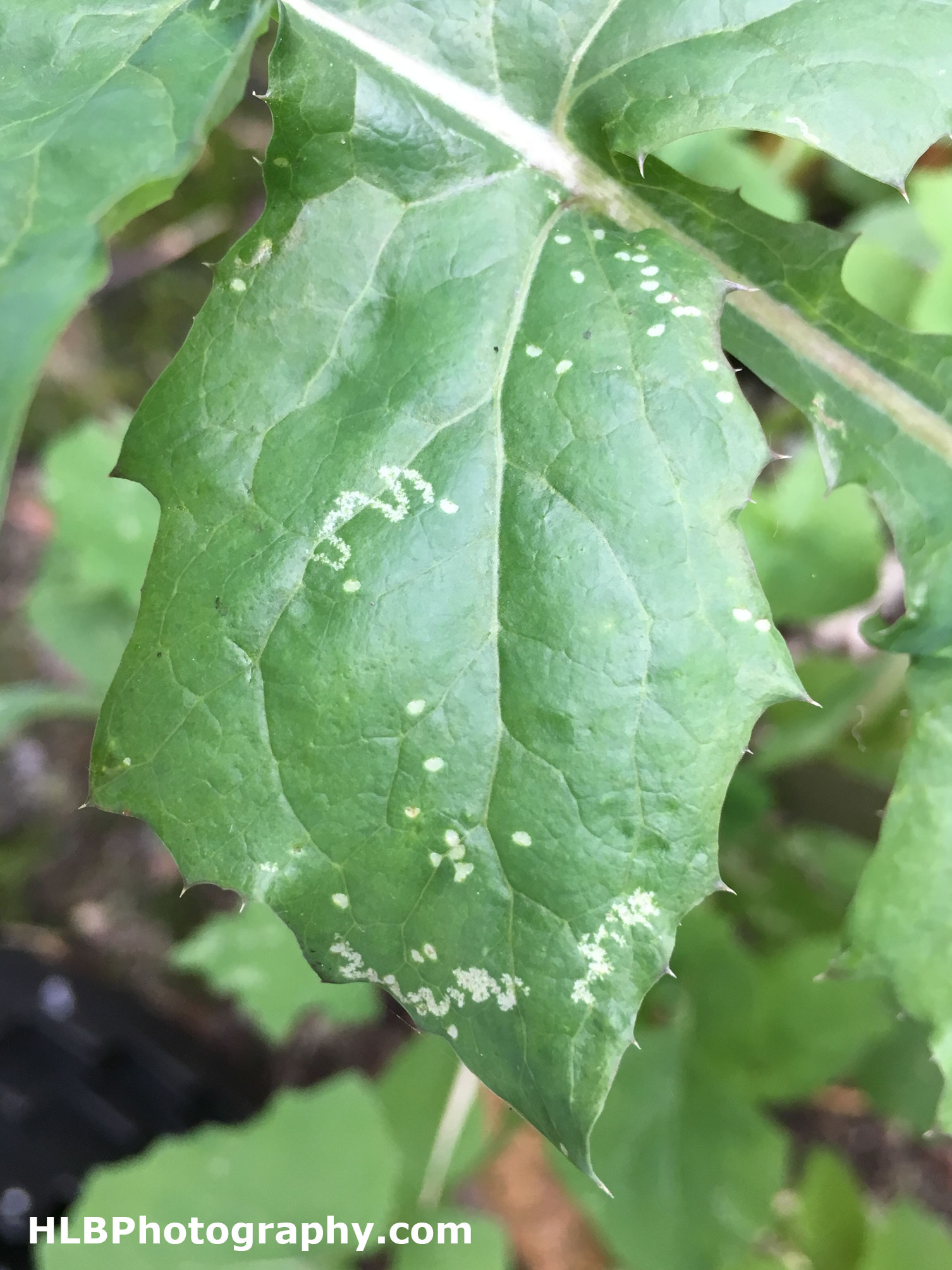
I saw these marks on the leaves of a common sow-thistle that’s growing out of a broken pot in the garden.  I felt that I should have known what they were from but I just couldn’t remember.  A little bit of research and the answer popped up – a leaf-miner. It is a generic term for the larvae of insects that live on the cells of a leaf, these can be beetle, flies, sawflies or moths.  There are many different insects that it could be but it seems that many leaf-miners are very specific to the plants on which they feed.  I would like to say I know what this one is, I think its Chromatomyia horticola, a fly, but I’m not 100% sure! If anyone can confirm that would be great 🙂

30 Days Wild 2018 – Day 07

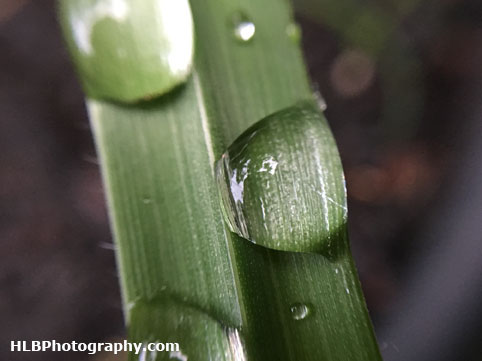
I was sat at work wondering what ‘wild’ thing I should do this evening, half an hour later it started to rain and that familiar smell drifted through the window, rain on a warm spring day! Until recently I didn’t know this smell had a name, everyone always says it smells of rain but really we should be calling it ‘petrichor’.  Reading the Met Office website it says the term comes from the Greek words ‘petra’ – stone & ‘ichor’ –  golden fluid that was said to flow through the gods and the immortals veins in Greek mythology.

The actual origin of the smell is from the oils flushed from the pores of stones, rock, soil etc as moisture fills them. This starts before the rain falls when the humidity increases and then further increases when it rains, with the droplets hitting the ground spreading the scent in to the breeze.  The scent is carried in tiny air bubbles created by the raindrop when it contacts the ground, the bubbles then burst from the raindrop in a fizz of aerosols.  You will notice petrichor more during light rain, as in heavy rain the speed of the drops falling stops the creation of bubbles and thus the release of the aerosol and the scent we all love.