30 Days Wild 2018 – Day 10

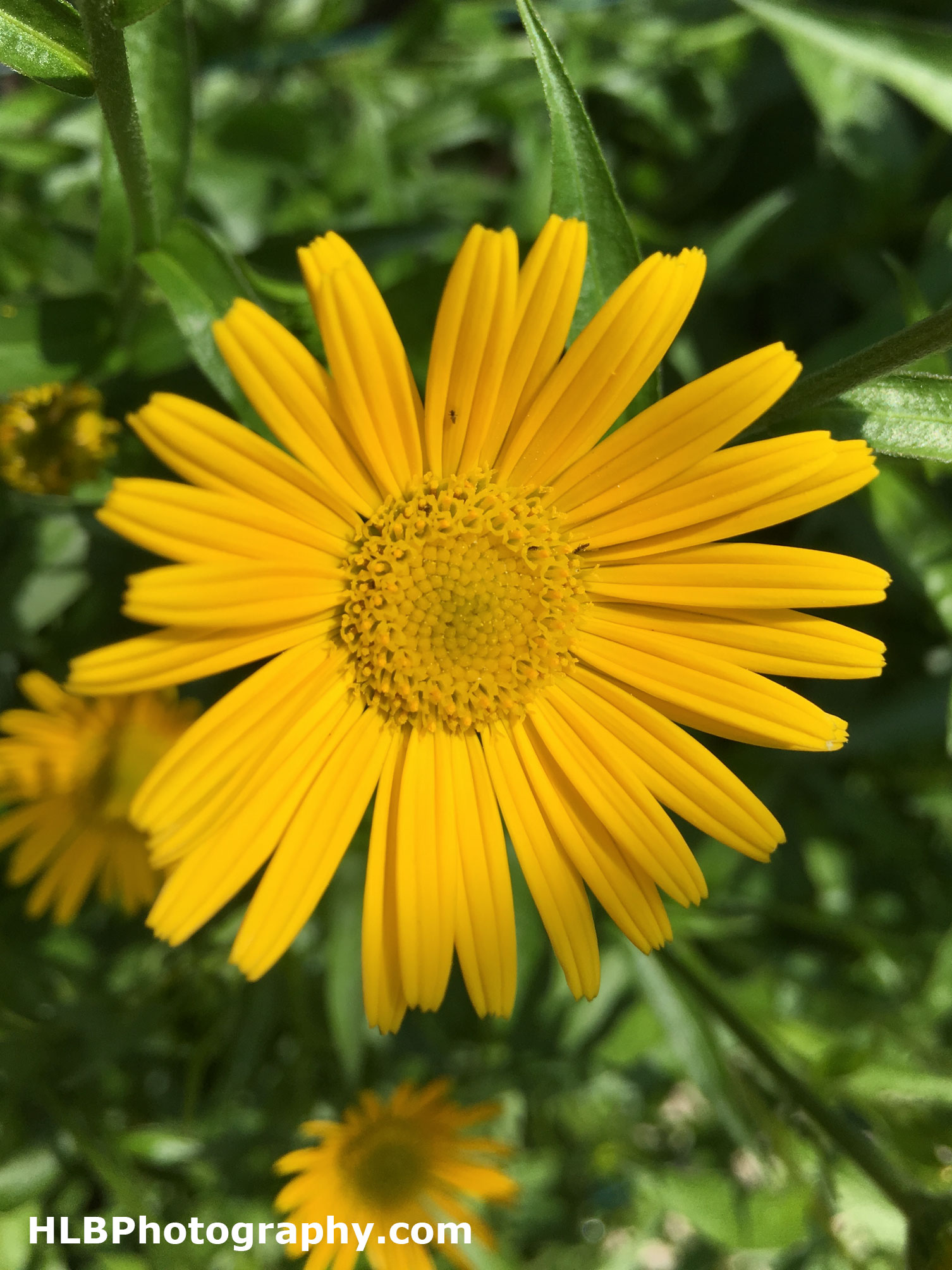
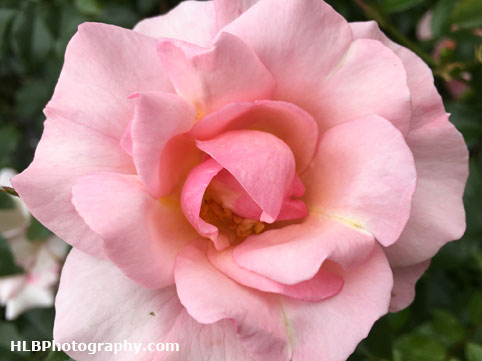
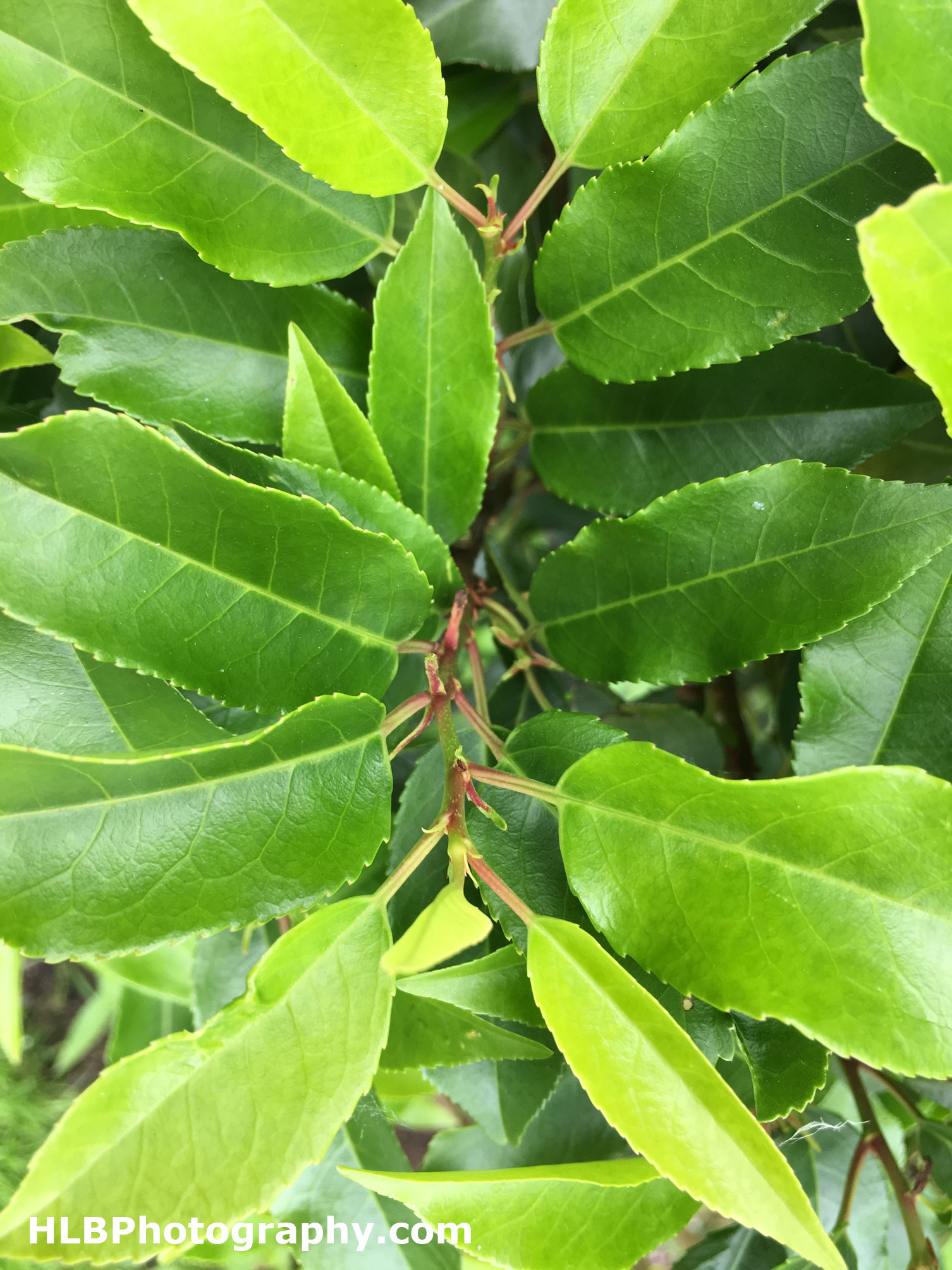
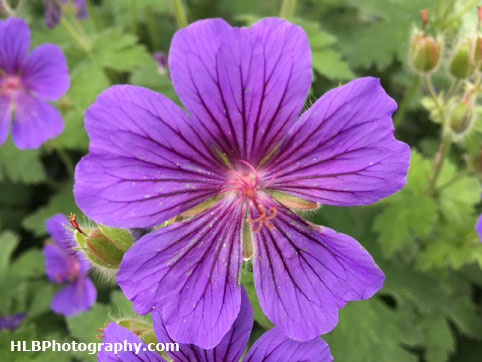
One of 30 Days Wild’s random act’s of wildness, suggested by their app, was to ‘race friends to find the colours of the rainbow’ I adapted this to ‘find within the garden, plants that are the colours of the rainbow’.  Its quite a nice exercise to actually take notice of the colours that are present.  I think we all wander around our gardens, thinking it looks nice but maybe not actually noticing the finer details.  
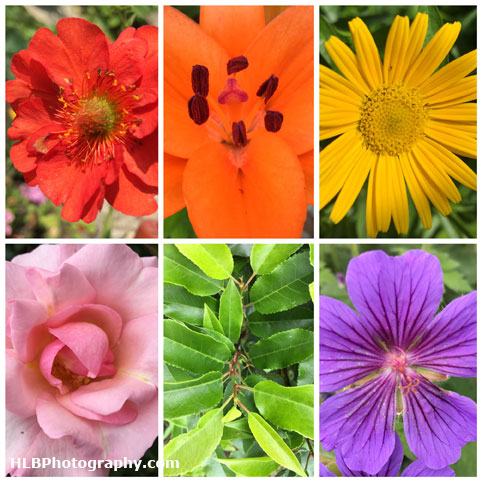
I did struggle to find anything blue! The only blue flower that I could think of in the garden was the cornflowers, they are just starting to come out of bud but they are purple!
 

30 Days Wild 2018 – Day 09

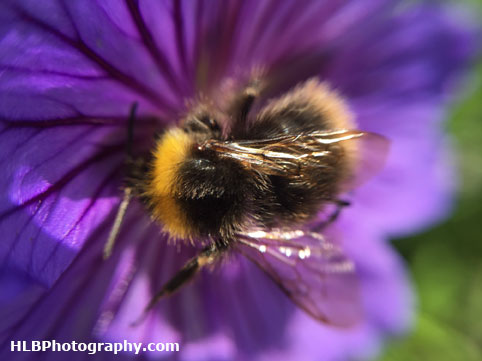
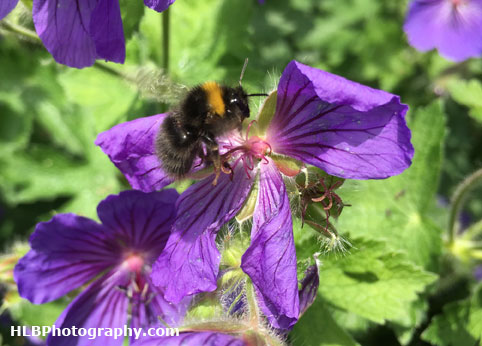
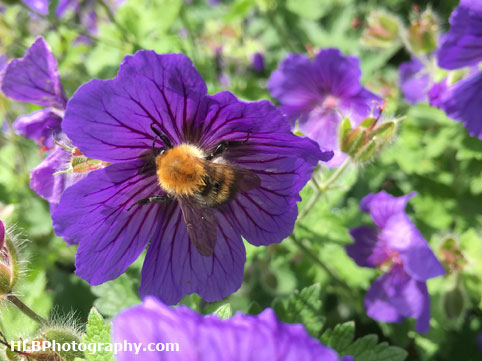
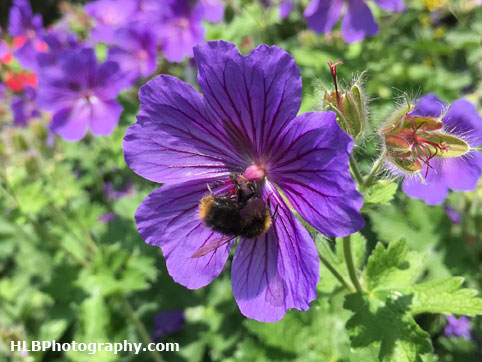
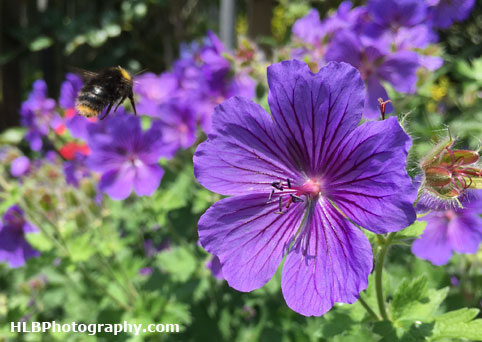
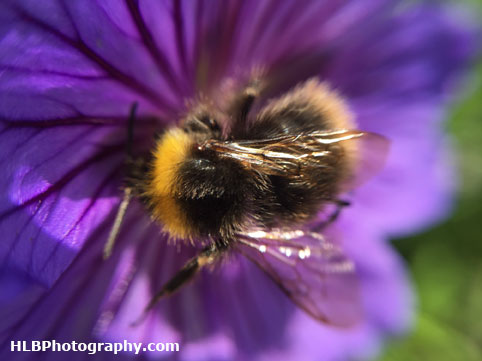
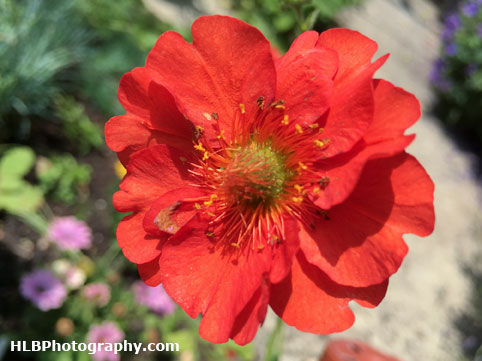
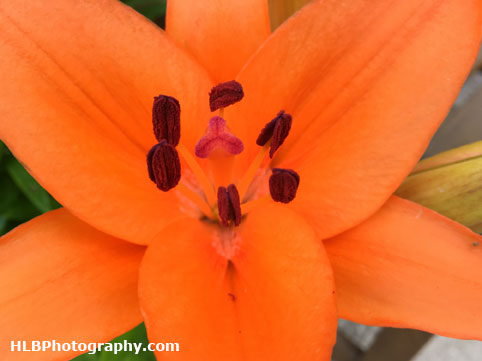
Exploring the garden today I found lots of bees on the Geranium – Early bumblebee, Honeybee and Brown carder bee (I think! I’m not brilliant at identifying bees!!).  The Geranium is always a favorite plant for them and there is always lots of activity around it. 

Each year Friends of the Earth run the Great British Bee Count (May 17th – June 30th 2018).  You can download the app for both android and apple which makes it all super quick and easy.  Its very simple; spot a bee, take a photo if possible, identify it, note the weather conditions and habitat, enter your location and send off the data 🙂 At the time of writing this 197,292 bees had been logged so far this year, with 21 days to go. 

As we all know our pollinators are having a very tough time with loss of habitat, intensive farming and changes in our climate.  The more we know about all of our pollinators, the more we can help them.  By adding sightings to the bee count more data is added to the Pollinator Monitoring Scheme, which is basically a health check of our bees and other pollinators.  35 of the UK bees species is under threat of extinction so knowing the abundance of them and their location, is all valuable information. 

We can all do a little to help all of our insects whether it is taking in part in the Bee Count or other record schemes, converting part of the garden to a mini wildflower meadow or just leaving the dandelions to grow in the lawn, every little thing helps.  Have you seen any bees today? 

30 Days Wild 2018 – Day 08

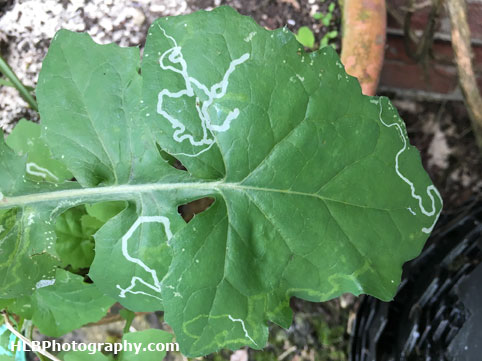
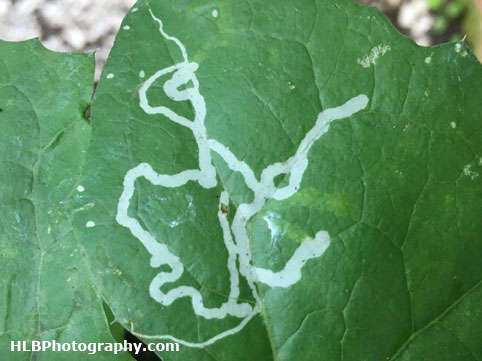
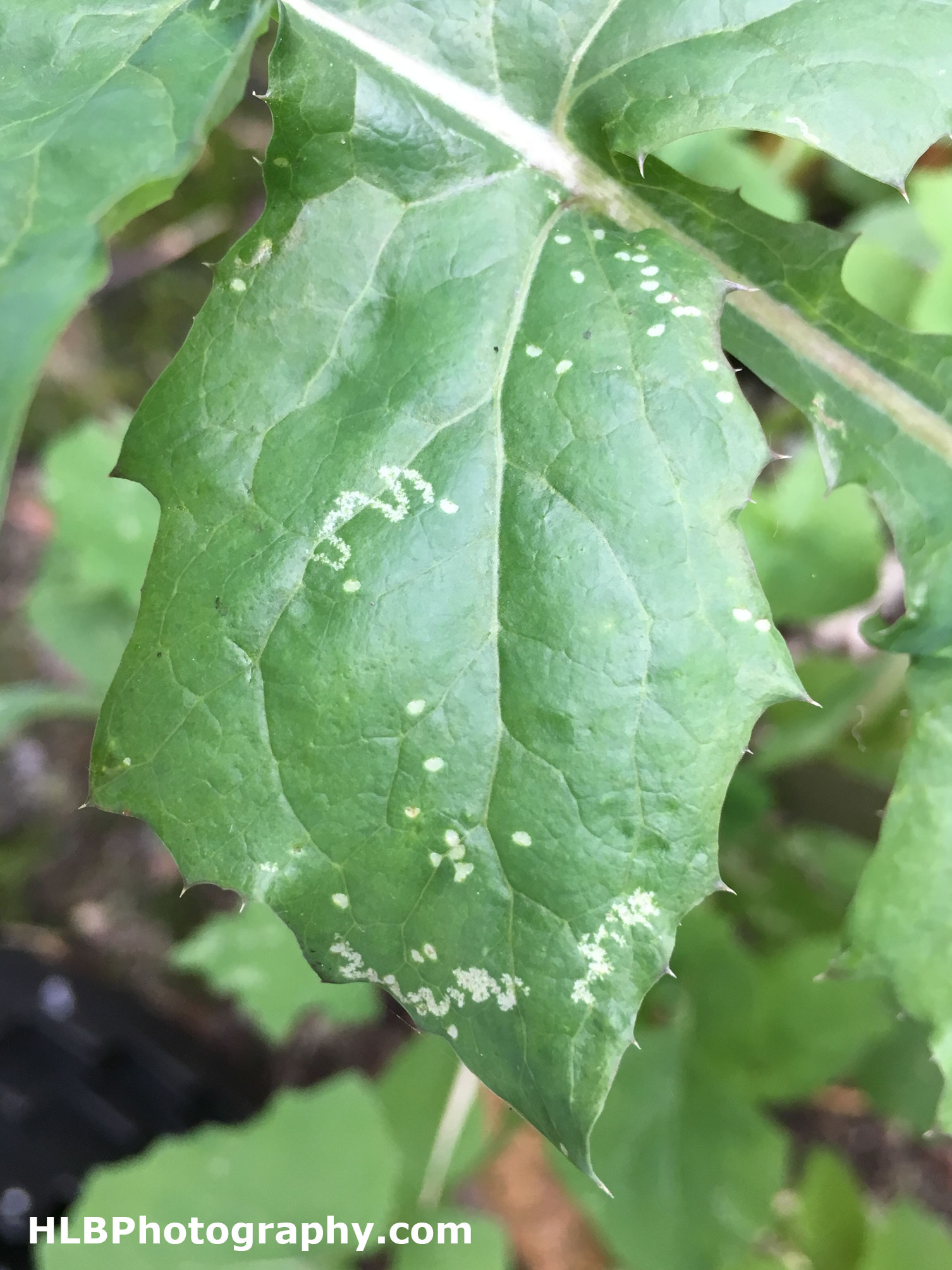
I saw these marks on the leaves of a common sow-thistle that’s growing out of a broken pot in the garden.  I felt that I should have known what they were from but I just couldn’t remember.  A little bit of research and the answer popped up – a leaf-miner. It is a generic term for the larvae of insects that live on the cells of a leaf, these can be beetle, flies, sawflies or moths.  There are many different insects that it could be but it seems that many leaf-miners are very specific to the plants on which they feed.  I would like to say I know what this one is, I think its Chromatomyia horticola, a fly, but I’m not 100% sure! If anyone can confirm that would be great 🙂
30 Days Wild 2018 – Day 07

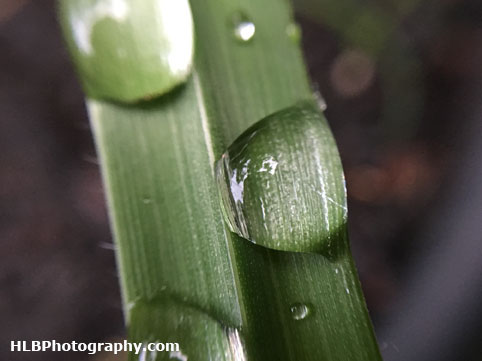
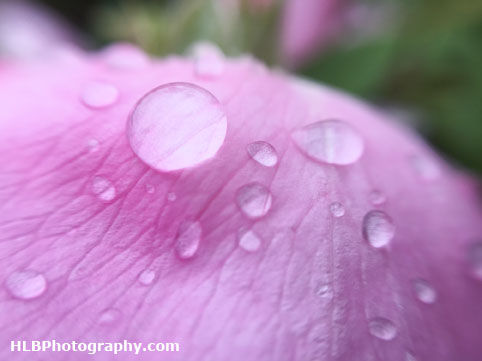
I was sat at work wondering what ‘wild’ thing I should do this evening, half an hour later it started to rain and that familiar smell drifted through the window, rain on a warm spring day! Until recently I didn’t know this smell had a name, everyone always says it smells of rain but really we should be calling it ‘petrichor’.  Reading the Met Office website it says the term comes from the Greek words ‘petra’ – stone & ‘ichor’ –  golden fluid that was said to flow through the gods and the immortals veins in Greek mythology.
The actual origin of the smell is from the oils flushed from the pores of stones, rock, soil etc as moisture fills them. This starts before the rain falls when the humidity increases and then further increases when it rains, with the droplets hitting the ground spreading the scent in to the breeze.  The scent is carried in tiny air bubbles created by the raindrop when it contacts the ground, the bubbles then burst from the raindrop in a fizz of aerosols.  You will notice petrichor more during light rain, as in heavy rain the speed of the drops falling stops the creation of bubbles and thus the release of the aerosol and the scent we all love.  

30 Days Wild 2018 – Day 06

This morning I noticed a lot of fledglings in the garden next to my patch. Unfortunately I was running late for work so didn’t have time to take any photos.  There were 12 starling causing chaos, 2 great spotted woodpeckers and 1 rook, all with their parents begging for food.  

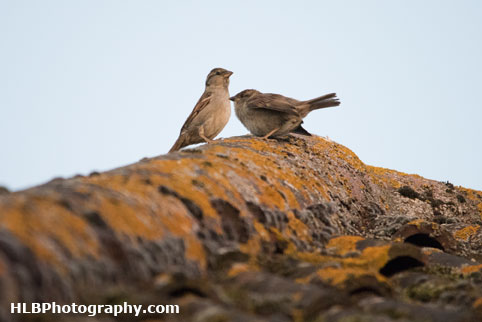
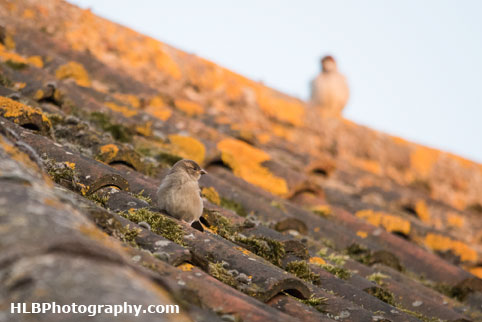
This evening I managed to take some shots of the house sparrows that on appearance, fledged tonight.  The parents were still going into the nest hole under the roof tiles, as well as tending to the ones hopping around on the roof.  It seems like everything fledged in the garden today! 

30 Days Wild 2018 – Day 05

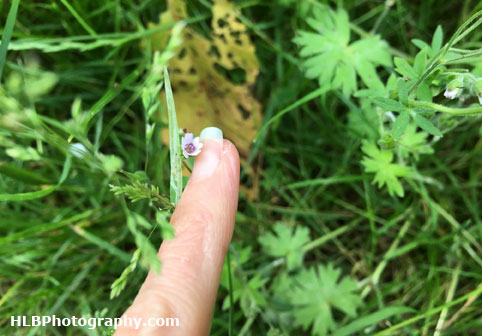
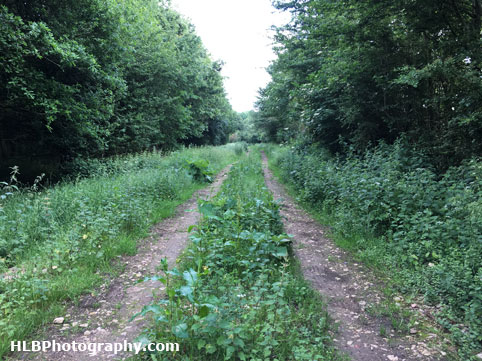
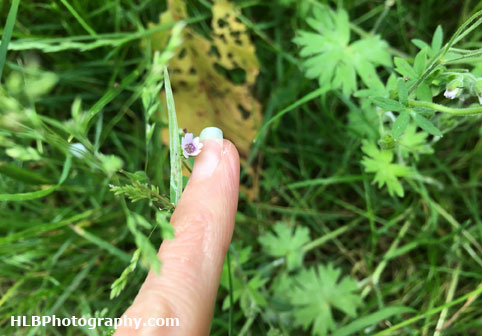
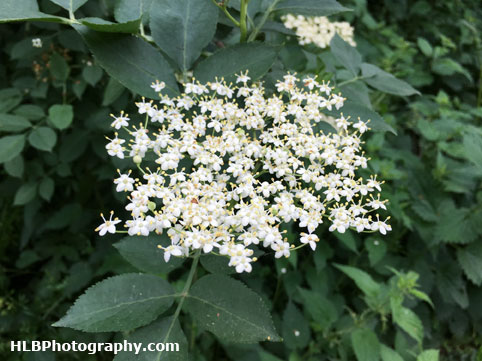
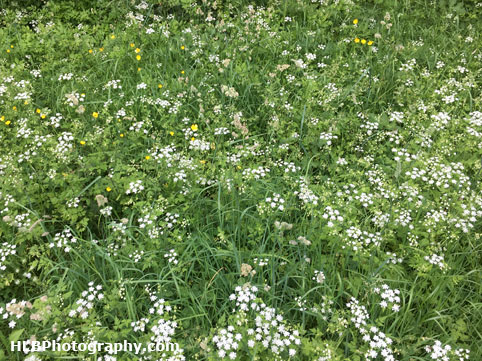
This evening I went for a short walk down the track used by the local farmer.  Its very wild and is just left to do what ever it wants! I haven’t been there for a while so thought I’d have a quick look around.  It had been my intention to look for young rabbits but I didn’t see any tonight; I only saw the tail of an adult and the side of a male pheasant before it headed off into the corn field.  There is a treasure trove of flowers and grasses to explore along the length of the track – some I could recognise and others I have no idea about like this tiny pink flower.

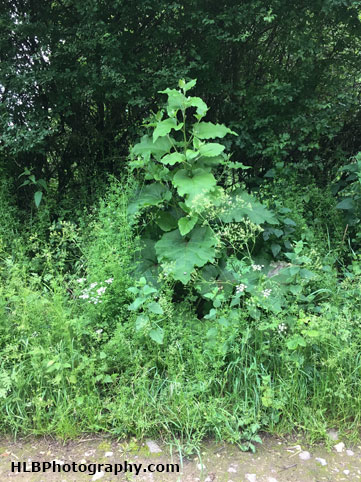
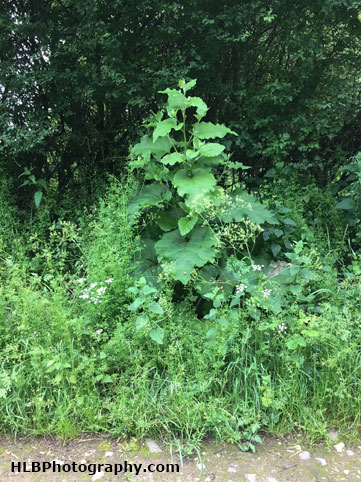
I also came across a plant taller than me – though that’s not that difficult! I believe it to be greater burdock though I’m not 100% sure.

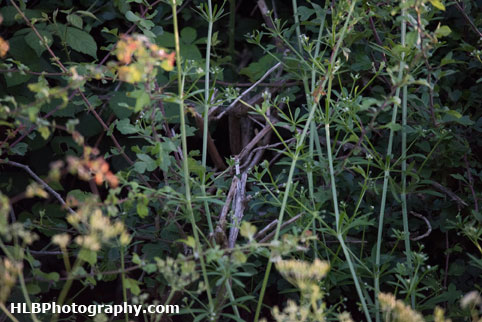
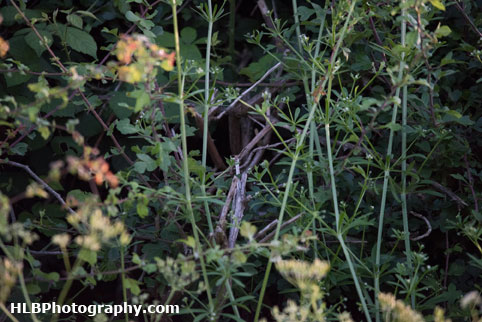
At the end of the track I could hear the cuckoo, he was obviously much further away and probably down by the river.  I’m sure he was getting closer as I walked back up the track.  This is the third year I have heard him in this location but I have never seen him! I am 90% sure that I located a sparrow nest on my way back.  One flew out of the hedgerow near the field entrance and I could hear the chicks still chirping away.  The hedge is very thick and I didn’t want to disturb it by trying to actually locate them. 

30 Days Wild 2018 – Day 04

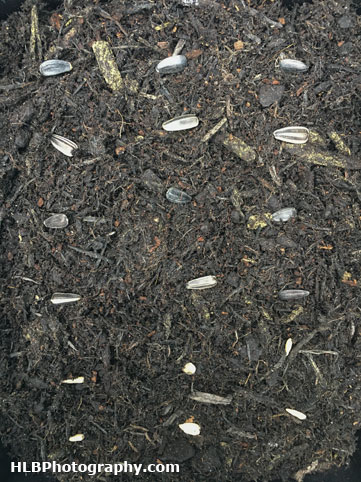
This evening I sowed more sunflower seeds, I did have about 8 plants… until the snails ate them!

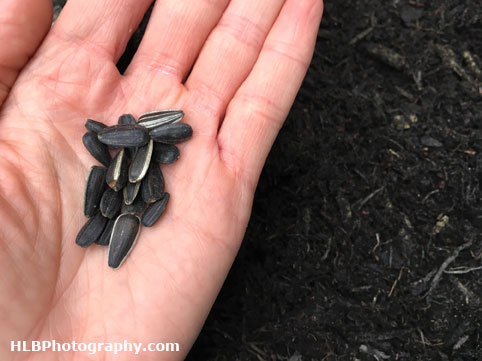
I decided I would plant shelled seeds and un-shelled seeds just to see what happens.  Now I wasn’t sure if I should plant the seeds standing up or sideways, I decided on sideways as I wasn’t sure which way was up! 

I stole the seeds from the bird food – they seem to be able to grow them quite successfully under the bird feeder so I thought I can’t go too wrong!  I’m hoping they will start spouting in the next couple of weeks.  Then all I need to do is protect them from the snails and all will be fine!  I want to plant sunflowers all along the fence, so that once they go over the birds will be able to help themselves to the seeds in Autumn. 


30 Days Wild 2018 – Day 03

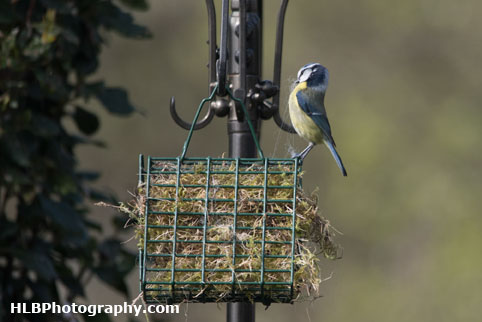
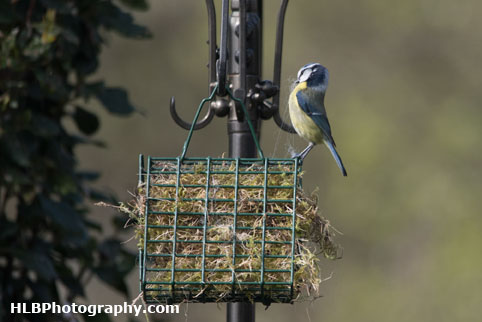
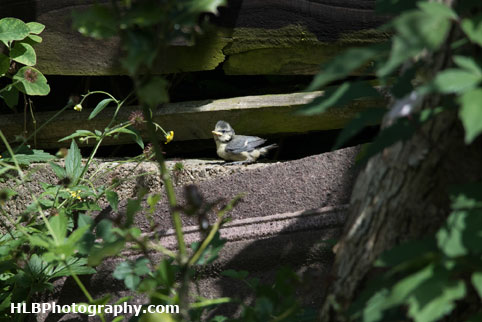
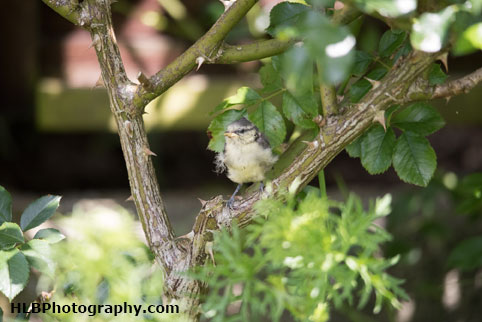
After the blue tits fledged yesterday I thought I’d sit in the garden this morning and see who else was about. Unfortunately we believe ‘nest box 1’ fledged early this morning and some if not all were predated by magpies. 4 magpies were seen in the tree chasing something and we can only assume it was the blue tit chicks. There has been no feeding flights to the box and no chirping coming from it. We just have to hope at least some survived. 

I didn’t time my bird count today, though I was watching for over an hour. I saw:

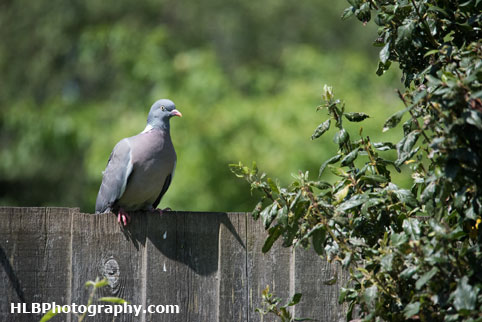
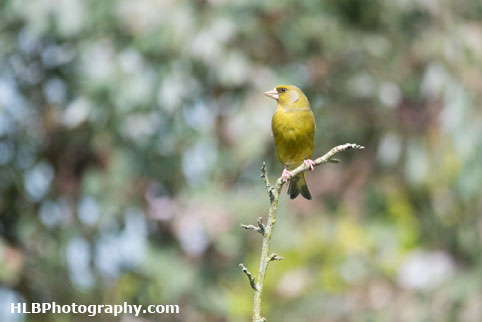
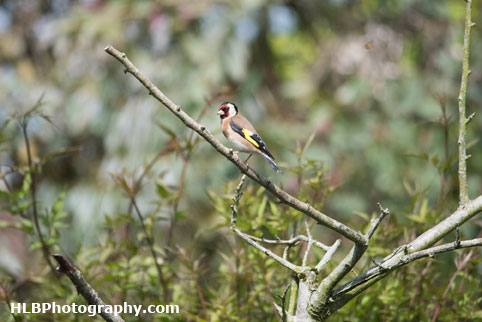
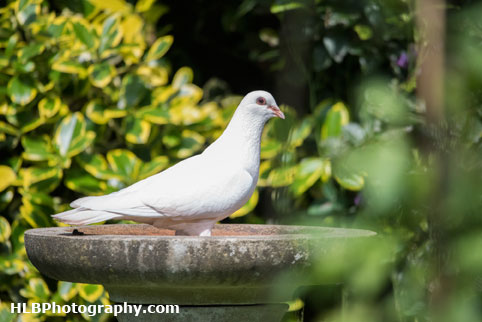
1 robin, 3 great tit, 2 blue tit, 2 woodpigeon, 2 blackbird (1 juvenile) 1 greenfinch, 2 goldfinch, 1 dunnock and 2 white dove

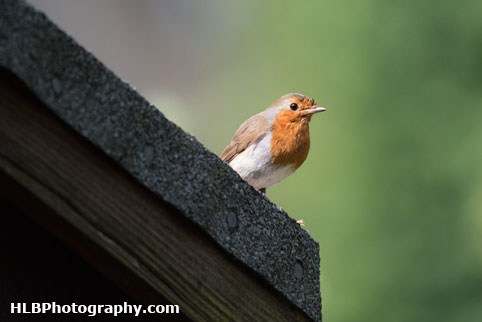
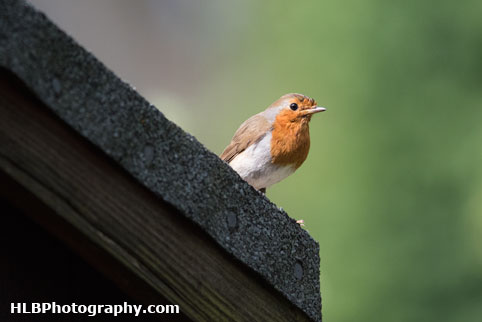
The robin has a pattern to his garden visits.  He lands on the corner of the garden shed, fly’s to the bird bath, and then either on to the feeders or the floor.  He followed this pattern on 4 out of 5 visits.   I haven’t seen any of the fledgling blue tits 🙁 

30 Days Wild 2018 – Day 02

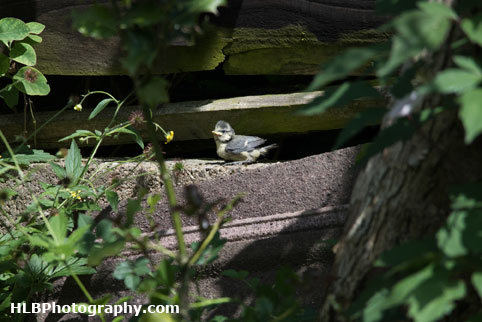
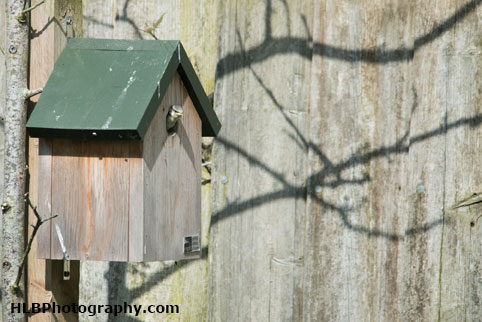
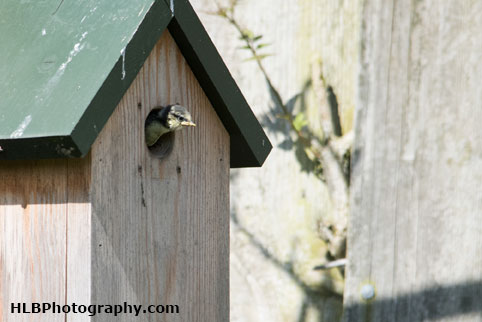
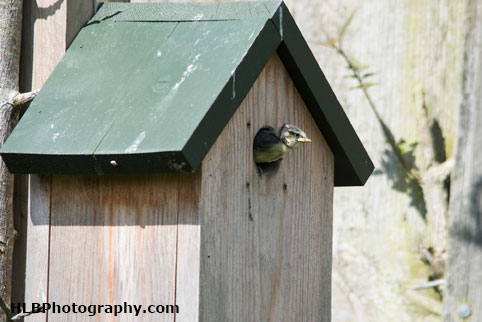
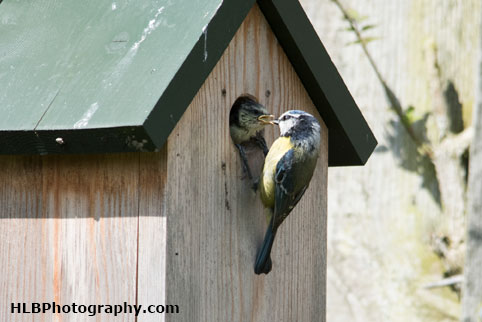
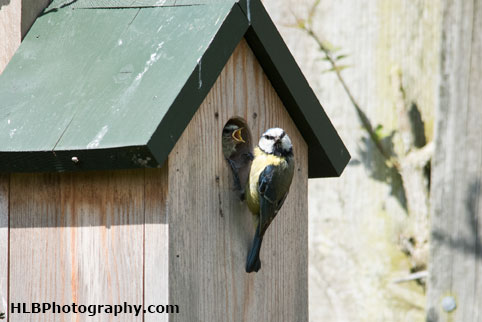
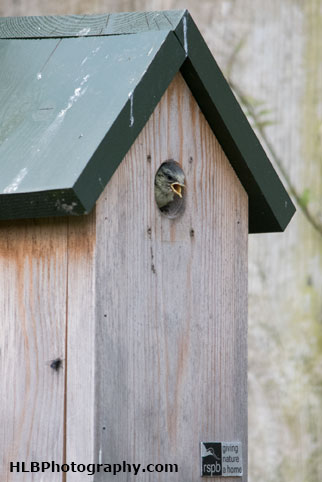
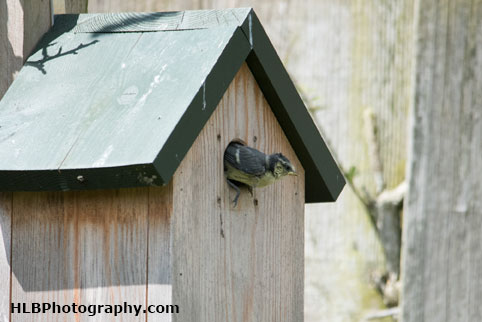
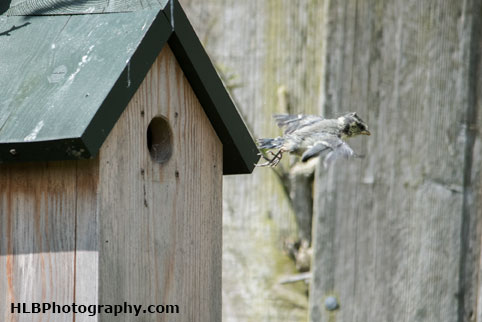
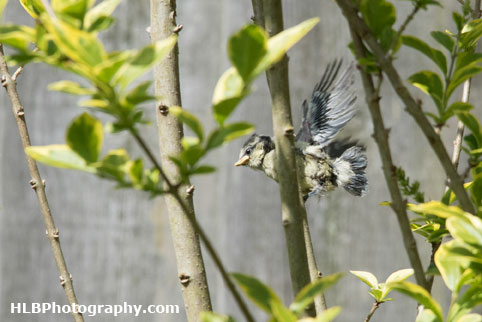
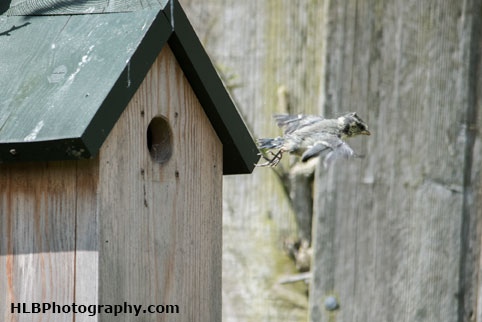
Last year we had one nest box in the garden and blue tits nested.  This year we have two nest boxes, and blue tits nested in both. Today the chicks in ‘nest box 2’ FLEDGED 🙂 I was lucky enough to sit and watch 5 little ones take the leap. 

Nesting started back on April 14th with the collection of nesting material.  As soon as we see them start to use the nest box we put up extra nesting material so they don’t have to use up too much energy going to find it.  They seemed to like the sheeps wool more than the moss this year.  

We first noticed them taking in food on May 10th so they have been feeding the chicks for roughly 22 days.  We didn’t look inside the nest box, as to open the boxes we have to take the sides off so there was no way I was going to chance disrupting them.  So, we have no real way of knowing exactly how many fledged today, but at least we know there were definitely 5.  I am hoping to see more of them in the garden but they did disperse quite quickly.  

I have heard the chicks chirping in ‘nest box 1’, looking at my spread sheet of data they started to feed their chicks two days later than ‘nest box 2’ so they could also fledge any day 🙂

30 Days Wild 2018 – Day 01

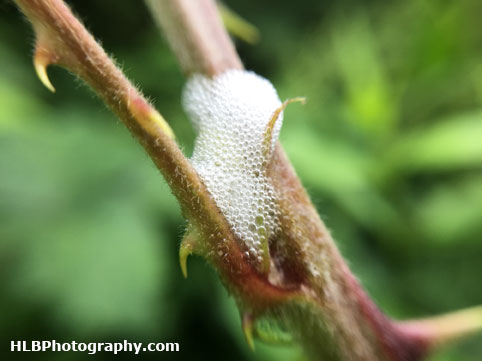
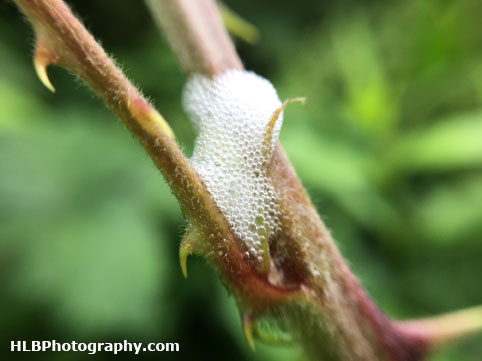
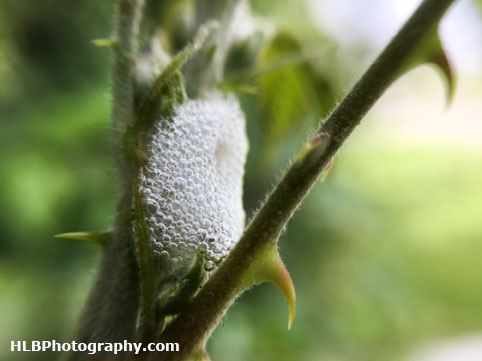
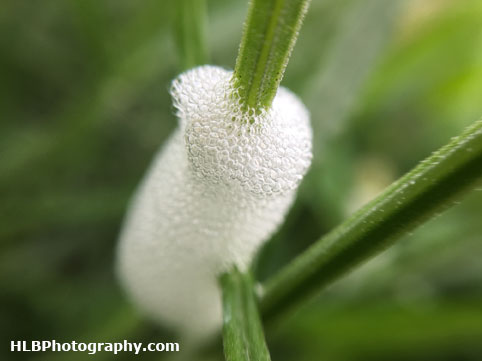
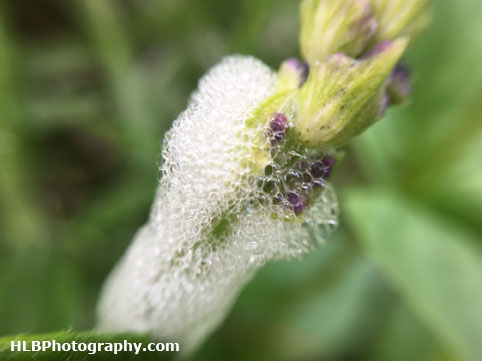
Everyone has seen cuckoo spit but I don’t think everyone always knows what it is! I knew that the ‘spit’ contains the nymph of a common froghopper (Philaenus spumarius) but other than that I knew little else.  ‘Cuckoo spit’ can be seen in May and June so it’s a perfect time to go out to see if you can find some 🙂 The nymphs feed by sucking sap from the food plant, these are generally herbaceous plants such as thistles; today I have seen them on lavender and brambles.  According to my reading the adults are first seen in late June and in greatest abundance in July.  However, we are not very likely to see an adult! They are 6mm long but disappear as soon as they are disturbed – they can jump 70cm in one bound!